
IBS and SIBO Treatment

You’ve seen three people about this. Maybe more.
You’ve had the tests that came back fine. You’ve been handed a low FODMAP printout. You’ve been told it’s stress, or IBS, or that this is just how your body is now.
Meanwhile you plan your day around bathrooms. You decline dinners. Your safe food list has shrunk to about a dozen things, and the foods you actually love now cost you a day and a half.
Here’s what I want you to know. I take an aggressive approach to this, and I mean that in the specific sense of testing thoroughly and treating what I find rather than managing you with restriction. We look at two things together that almost never get looked at together: what your gut microflora is actually doing, and which foods your immune system is responding to. Then we build the internal conditions and the diet that give you your life back. My goal is for you to eat the foods you love again. Not a longer list of things you can’t have.
What actually changes
| What you’re living with now | What clients commonly describe afterward |
|---|---|
| Bloating that arrives by noon and stays | Flat, and not thinking about it |
| Knowing where every bathroom is | Leaving the house without a strategy |
| Declining dinners, travel, and events | Saying yes, and not paying for it the next day |
| A safe list of about a dozen foods | Foods you love back on the plate, one at a time, on purpose |
| Urgency that arrives without warning | Predictable, boring digestion |
| Wiped out after eating | Energy after meals instead of needing to lie down |
| Skin flaring alongside it | Skin settling too, because it was downstream of the same problem |
| Being told it’s stress and this is just your body now | Knowing exactly what’s happening and what to do about it |
Individual results vary, and digestion in particular varies a lot.
Why this started when it started
This is the question people ask me most, and there’s a real answer.
Your gut is the largest surface where your body meets the outside world. Everything you eat, drink, and swallow passes across it. It’s doing constant work, constant filtering, constant decision-making about what gets in.
And like everything else, it slows down. Motility slows, so food moves through more slowly. Stomach acid production declines. Enzyme output drops. The gut lining repairs itself less efficiently. Hormonal change through your forties and fifties affects all of it directly, since gut motility and the gut lining are both hormone-responsive.
Put those two things together and you have a system doing enormous work with fewer resources than it had. Food that used to move through now sits and ferments. Bacteria that used to stay where they belonged spread into places they shouldn’t. The lining that used to be selective becomes less so.
That’s why this arrived in your forties rather than your twenties, and it’s why “you’re just getting older” is both true and completely useless as advice. Something specific is happening and it’s identifiable.
IBS or SIBO, and why it matters
These get treated as the same thing constantly, and they aren’t.
IBS is a diagnosis of exclusion. It means your symptoms are real and nothing structural was found to explain them. It doesn’t tell you what’s causing them.
SIBO is small intestinal bacterial overgrowth: bacteria that belong in your colon setting up in your small intestine, where they ferment your food before you can absorb it. That’s a specific, measurable condition with specific treatment.
And a substantial share of people carrying an IBS diagnosis have SIBO. The overlap is significant enough that if you’ve been told you have IBS and never been tested for overgrowth, that gap is worth closing.
The practical difference in how they feel: SIBO tends to be bloating-dominant, arriving within an hour or two of eating and often reacting to healthy foods like vegetables, beans, and fibre. IBS tends to be more pain-dominant with bowel pattern changes.
And the treatment diverges. SIBO responds to antimicrobial treatment and targeted dietary change with a clear endpoint. IBS care focuses more on the gut-brain axis, motility, nutrition, and stress physiology. Treating one as though it were the other is a common reason people don’t improve.
That’s why I test rather than assume.
The two things I look at together
Almost nobody does both, and doing both is most of the difference.
Your gut microflora
Comprehensive testing of what’s actually living in your gut and what it’s doing there. Bacterial balance, overgrowth, yeast including candida, parasites, H. pylori, inflammatory markers, and the state of your gut barrier, meaning what’s popularly called leaky gut. I use both PCR and culture-based methods, because each finds things the other misses.
Your food reactivity
Which foods your immune system is actually responding to, tested rather than guessed at through months of elimination.
Together, they answer different halves of the same question. The microflora tells us what state your gut is in. The food testing tells us what’s currently provoking it. A long list of reactive foods usually isn’t a long list of food problems, it’s a sign of gut inflammation, and that completely changes the plan, from avoiding foods to repairing the terrain.
What your skin has to do with this
This surprises people, and it’s one of the reasons I see the patients I see.
Rosacea, acne, and eczema are commonly connected to what’s happening in your gut. When the gut barrier is compromised and inflammation is running, the immune activation shows up in the skin, and it’s frequently the visible clue that something internal is going on.
So a lot of the women I treat for digestion came in about their skin, or came in about their gut and mentioned their skin as an afterthought. Both improve when the underlying inflammation does, and treating one while ignoring the other means half a result.
I treat both, in the same practice, which almost nobody in the Bay Area is set up to do.
The plan is a wider diet, not a narrower one
I want to be explicit about this because it’s the opposite of what usually happens.
The standard path narrows. Cut gluten. Then dairy. Then FODMAPs. Then nightshades. Each round shrinks your world and none of it tells you why. I meet women eating twelve foods who are still symptomatic and are now frightened of the twelve.
Restriction is a diagnostic tool, not a treatment. We remove things temporarily to learn something, then fix what we learned about, then put food back.
Find the cause. Testing first, so we’re removing the right things rather than everything.
Treat it. Overgrowth, dysbiosis, yeast, parasites, low digestive capacity, barrier repair, motility. Whatever your results actually show, treated properly rather than gently.
Rebuild capacity. The nutrients that repair the lining, support for acid and enzymes, and the raw materials your gut needs to function on its own again.
Put food back, deliberately. One at a time, tracked, so you learn what your body genuinely can’t handle versus what it couldn’t handle while it was inflamed. Those lists are usually very different, and the second one shrinks.
Live with it. Knowing what to do when you overdo it, because you will, and that’s fine.
Co-managing with your gastroenterologist
A lot of my patients have a gastroenterologist, and that works well. We’re doing different parts of the same job.
If you have inflammatory bowel disease, including ulcerative colitis or Crohn’s, I treat and co-manage that with you in an integrative setting. Nutrition built from your testing, nutrient repletion, inflammatory support, microbiome work, and addressing the food reactivity that so often sits alongside it. Your gastroenterologist handles the pharmaceutical management and the monitoring that requires their equipment. Neither of us is doing the other’s job, and you get considerably more than either approach alone.
I don’t advise anyone to come off their medication. That’s a conversation with the person prescribing it, and I’ll happily be part of it.
Where I’ll send you for imaging or scoping, because that’s equipment rather than expertise: if you need a colonoscopy, an endoscopy, or imaging to answer a question, that happens elsewhere and I’ll get you there quickly. Then we keep working.
Celiac is worth one specific warning. Testing only works while you’re still eating gluten, so going gluten-free first can cost you a clear answer for months. Get tested, then decide. If screening is positive, gastroenterology performs the confirming endoscopy and I handle the dietary work from there.
And there are symptoms that get evaluated before anyone starts a gut protocol. Blood in your stool, black stools, unexplained weight loss, difficulty swallowing, persistent vomiting, unexplained iron deficiency anemia, symptoms that wake you from sleep, fever alongside your symptoms, or a family history of colon cancer or inflammatory bowel disease. Also colon cancer screening if you’re over 45 and haven’t had it. I’ll tell you if that’s you and make sure it happens, because starting treatment around an unanswered question is how something gets missed.
SIBO treatment near me: why women in the East Bay come here
I test both sides. Your gut microflora and your food reactivity, which almost nobody looks at together.
An aggressive approach, meaning thorough testing and real treatment rather than managing you with restriction.
Restriction is temporary and diagnostic. The goal is a wider diet than you have now.
I treat your skin too, because rosacea, acne, and eczema are frequently downstream of the same inflammation, in the same practice.
You get your food back. That’s the actual objective and I’ll say it out loud because nobody else seems to.
I co-manage with your gastroenterologist, including inflammatory bowel disease, so you’re not choosing between approaches.
An award winning doctor with fifteen years of practice in the East Bay. I’ve been voted Best Doctor of the East Bay, and I have page after page of five star reviews that show how hard I work for my patients.
I’m in Lafayette, CA, easy to reach from Walnut Creek, Orinda, Moraga, Danville, Alamo, Pleasant Hill, Berkeley, Oakland, and the broader East Bay.
Frequently asked questions
-
IBS is a diagnosis of exclusion, meaning your symptoms are real and nothing structural explains them. SIBO is a specific, testable condition where bacteria that belong in your colon have set up in your small intestine and ferment food before you can absorb it. A substantial share of people carrying an IBS diagnosis actually have SIBO. SIBO tends to be bloating-dominant within an hour or two of eating; IBS tends to be more pain-dominant. The treatments differ meaningfully.
-
Breath testing, alongside comprehensive stool analysis that looks at bacterial balance, yeast, parasites, H. pylori, inflammation, and gut barrier integrity. I use both PCR and culture-based methods because each finds things the other misses. I also test food reactivity, because knowing what your gut is doing and knowing what’s provoking it are two different questions.
-
That result rules out structural disease, which is genuinely good news, and it doesn’t tell you whether your digestion is working. Overgrowth, dysbiosis, yeast, parasites, barrier problems, low digestive capacity, and slowed motility can all cause severe symptoms with a completely normal scope. Those need different testing, and that’s where I start.
-
Yes, and I co-manage with your gastroenterologist rather than replacing them. I handle nutrition built from your own testing, nutrient repletion, inflammatory and microbiome support, and the food reactivity that frequently sits alongside inflammatory bowel disease. Your gastroenterologist handles pharmaceutical management and the monitoring that requires their equipment. I won’t advise you off your medication, and between the two of us you get more than either approach alone.
-
No, and I’d consider that a failure rather than a treatment. Restriction is how we learn what’s happening, not the destination. Once we’ve treated the cause and rebuilt your digestive capacity, foods go back deliberately, one at a time. Most people tolerate considerably more afterward, because the reactivity was coming from inflammation rather than from the food itself.
-
Frequently, yes. When the gut barrier is compromised and inflammation is running, that immune activation often shows up in the skin, and rosacea, acne, and eczema are the common presentations. It’s one of the reasons I treat both in the same practice, and it’s why treating the skin alone tends to produce results that don’t hold.
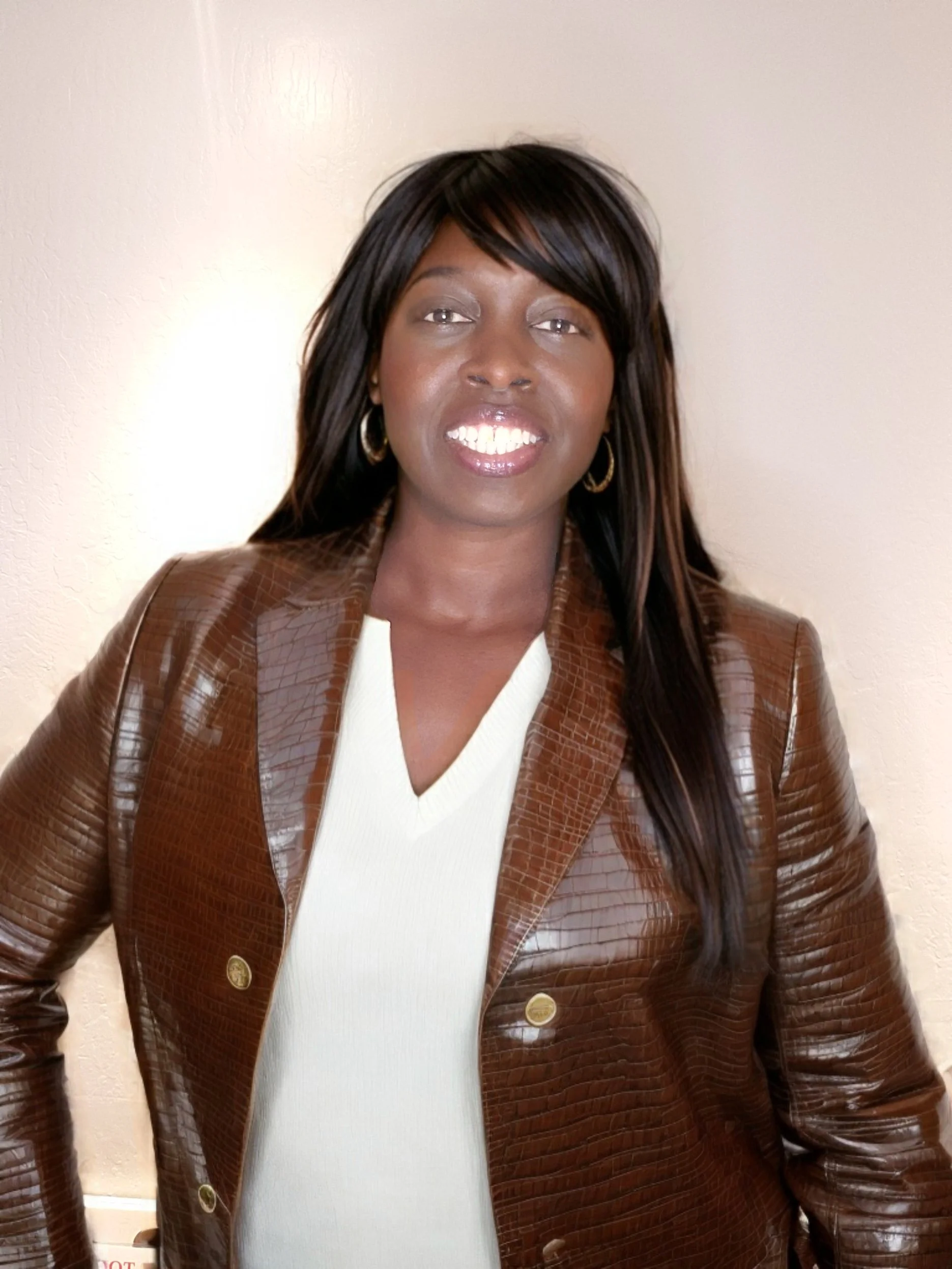
Dr. Vera Singleton, ND, MBA Founder, Potentia MedSpa, Lafayette, CA Voted Best Doctor of the East Bay Functional medicine and medical aesthetics under one roof, guided by one philosophy: one body, one doctor, simple answers.
Let’s get your food back.
Book a consultation. Bring everything you’ve already been through, because I’d rather build on it than repeat it. We’ll test both your gut and your food reactivity, treat what we actually find, and work toward a wider diet than the one you have now. You’re allowed to start wherever you want. I’ll meet you there.
Book Your FREE 20 Min Phone Consultation
Potentia MedSpa | 1043 Stuart St #210, Lafayette, CA 94549 | 510-230-2282