
Non-Surgical Nose Contouring in Lafayette, CA
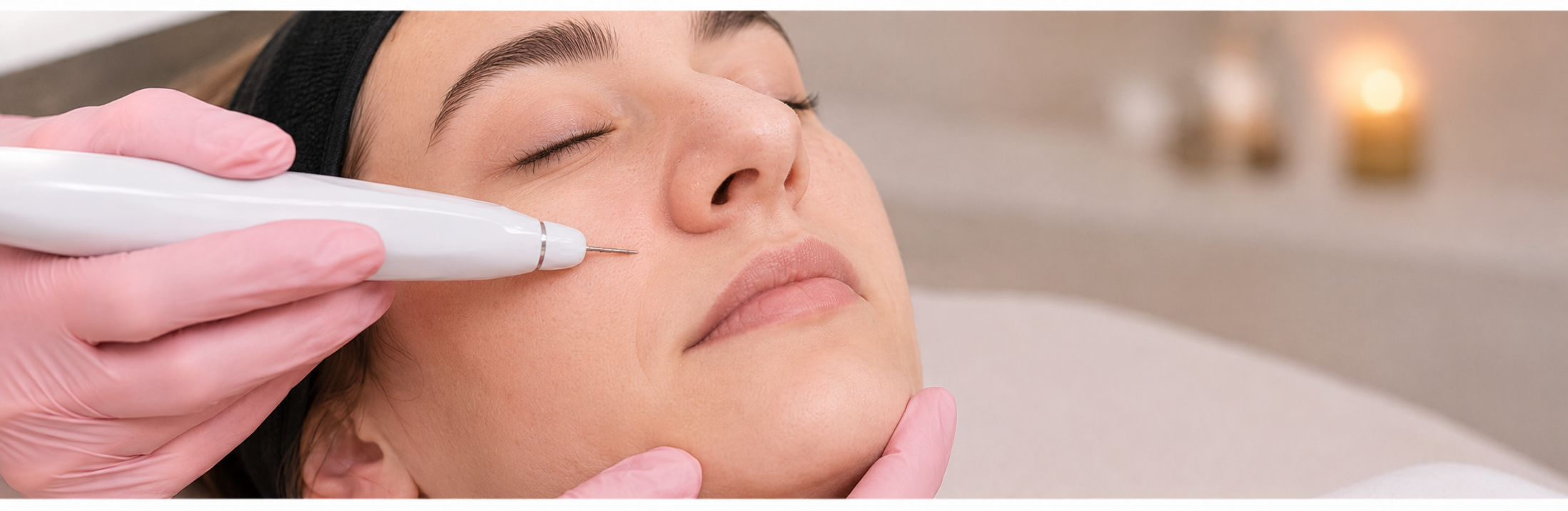
There are two versions of this.
You had a rhinoplasty. You waited out the swelling, you hoped, and when it finally settled you were left with something not quite what you pictured. A small asymmetry. A little fullness that didn’t go. And the idea of a revision surgery is either out of reach or out of the question.
Or you’ve never had surgery and don’t want it. You’d just like your nose slimmer, or the two sides more even, or the skin on it to stop being the roughest, most open-pored part of your face.
Here’s what I want you to know, before anything else. I’m not a surgeon. This treatment works on skin, not bone or cartilage. It won’t remove a dorsal hump, straighten a deviated nose, or narrow your bridge, and if that’s what you want I’ll tell you so at your consultation rather than after you’ve paid me. What it does is refine the appearance of the nose through skin contraction, even out asymmetry in the nasal wings, soften imperfections left behind by previous surgery, and genuinely improve the skin on your nose. For the right nose, that’s a meaningful change with nothing injected.
What this can and cannot do
I’d rather be clear about this on the page than have you drive to Lafayette and find out.
What it can do
Slim and refine the appearance of a fleshy or thick-skinned nose, through contraction of the skin envelope
Correct asymmetry of the nasal wings, where one side sits differently from the other
Soften imperfections after previous rhinoplasty, including small irregularities and areas of residual fullness
Reduce visible scar tissue and improve texture on a nose that has been operated on
Improve the skin itself: large open pores, blackheads, roughness, and the thickened texture that makes a nose look heavier than it is
What it cannot do
Remove a dorsal hump. That’s bone and cartilage, and it needs a surgeon
Straighten a deviated nose or correct a deviated septum
Narrow the bony bridge
Change the underlying structure of your nose in any way
Lift a drooping tip where the cause is cartilage rather than skin
If what bothers you is the profile, the bump, or the bridge, you need a rhinoplasty and I’ll say so. I’d rather send you to the right person than take your money for a treatment that was never going to give you what you came for.
What actually changes
For the right candidate:
| What you’re living with now | What clients commonly describe afterward |
|---|---|
| A nose that reads fleshy or heavy | Refined, with the skin envelope contracted closer to the structure underneath |
| Nasal wings that don’t match | More even, with the asymmetry softened |
| A surgical result that’s nearly right but not quite | The small things smoothed, without another operation |
| Visible scar tissue or irregularity from previous surgery | Reduced and better blended |
| Large open pores across the nose | Noticeably refined |
| Persistent blackheads that nothing clears | Cleared, and slower to return |
| Rough, thickened skin on the nose | Smoother and better matched to the rest of your face |
| Being told the only option is more surgery | A real alternative for the right problem |
Individual results vary, and this builds over the months following treatment.
The post-surgical group
This is who I see most, and it’s worth speaking to directly.
Rhinoplasty is one of the hardest operations in aesthetic surgery, and even in skilled hands the final result isn’t fully known for a year or more. Sometimes what emerges is very close to right and just not quite there.
And the options at that point are genuinely limited. Revision rhinoplasty is more difficult than a first surgery, more expensive, and not every surgeon will take it on. Many people simply live with the result rather than face another operation.
Where the remaining issue is in the skin and soft tissue rather than the structure, this treatment can help. Residual fullness in the skin envelope, small irregularities, thickened scar tissue, and texture changes all respond to plasma. What it won’t do is correct anything structural, and I’ll be honest about which category your specific issue falls into.
If you’re within the first year after surgery, we wait. Your nose is still settling and treating it early risks working against a result that hasn’t finished arriving.
The safety argument, plainly
This matters more on the nose than anywhere else on the face.
The other non-surgical options here are filler and threads. Both are used and both work for certain things. But the nose has a particular anatomy: the blood supply is dense, the vessels are small, the skin is tight, and there is very little room for anything injected to sit without pressing on something.
That’s why filler in the nose carries a recognized risk of vascular occlusion, meaning a vessel becomes blocked. It’s uncommon in experienced hands and it’s the reason many injectors decline to treat the nose at all. The nose is also among the highest-risk areas of the face for that complication.
Plasma is applied to the surface of the skin. Nothing is injected and nothing goes near a vessel. That structural difference is why this treatment doesn’t carry that category of risk.
I’m not saying this to frighten you off filler, which is a legitimate treatment used well by many practitioners. I’m saying it because it’s the honest reason to consider a different approach in this specific location, and because most pages selling non-surgical nose treatments don’t mention it at all.
The part nobody else offers
Here’s what makes this different from every other non-surgical nose treatment: it improves the skin on your nose.
Filler adds volume under the skin. Threads pull tissue. Neither changes the skin surface at all, and for many people the skin is a real part of what bothers them.
Your nose has more oil glands than almost anywhere else on your face. That means larger pores, more blackheads, thicker texture, and more visible congestion. It’s the roughest part of many people’s faces and no amount of skincare fully resolves it.
Plasma resurfaces while it contracts. Pores refine. Blackheads clear. Texture smooths. The nose ends up better matched to the rest of your face, which changes how it reads independent of any shape change.
For a lot of people, that turns out to be as much of the result as the contouring.
The pairing that works best
The nose isn’t separate from your face, and treating it alone can leave it looking different from everything around it.
The Rockstar Facial is the natural companion. Non-ablative plasma across the full face, no healing time, and it brings the tone and texture of the rest of your face up to match. Done in a series, it maintains the skin quality you gain on the nose.
Mesotherapy micro-infusion adds hydration and skin quality with no recovery at all, and it’s the treatment I use most between more intensive appointments.
What to expect
Before. A skin analysis and an honest conversation about candidacy. This is the appointment where I tell you whether this treatment does what you want.
The appointment. About two hours. Topical numbing is used, and comfort is around a four out of ten.
The healing. Four to seven days. Your skin visibly renews during that window and you’ll look like you’ve had something done. Plan for it. I call it healing time rather than downtime because that renewal is what produces the result.
Sessions. One to two, spaced over three to four months, so we can see how your skin responds before deciding whether to go further.
Over the following months. Contraction and collagen remodeling continue well past the surface healing, which is why the sessions are spaced the way they are.
Safe for all skin types, Fitzpatrick I through VI, because plasma doesn’t target pigment. Each case monitored individually, with pretreatment where there’s a history of pigmentation.
Non-surgical nose job near me: why women in the East Bay come here
An honest candidacy conversation first. If you need a surgeon, I’ll tell you at the consultation rather than after.
Nothing injected, so none of the vascular risk that makes the nose the most cautious area in aesthetics.
The skin improves, not just the shape. Pores, blackheads, and texture, which no other non-surgical nose treatment addresses.
A real option after rhinoplasty, where the remaining issue is in the skin rather than the structure.
Safe on every skin tone, Fitzpatrick I through VI.
I’d rather be right than booked. This is the page where that matters most.
An award winning doctor with fifteen years of practice in the East Bay. I’ve been voted Best Doctor of the East Bay, and I have page after page of five star reviews that show how hard I work for my patients.
I’m in Lafayette, CA, easy to reach from Walnut Creek, Orinda, Moraga, Danville, Alamo, Pleasant Hill, Berkeley, Oakland, and the broader East Bay.
Frequently asked questions
-
No. A dorsal hump is bone and cartilage, and changing it requires surgery. This treatment works on the skin envelope, so it can refine how a fleshy nose looks, even out the nasal wings, and improve skin quality, but it cannot alter your underlying structure. If the profile is what bothers you, you need a rhinoplasty and I’ll tell you that directly.
-
Filler adds volume beneath the skin to camouflage a contour, and it can be effective. It’s also injected into an area where the blood supply is dense and vessels are small, which is why nasal filler carries a recognized risk of vascular occlusion and why many injectors won’t treat the nose. Plasma is applied to the surface. Nothing is injected and nothing goes near a vessel. It also improves the skin itself, which filler doesn’t do.
-
Sometimes, and it depends entirely on what’s bothering you. If it’s residual fullness in the skin, a small irregularity, thickened scar tissue, or texture, plasma can help. If it’s structural, meaning bone, cartilage, or the shape of the bridge or tip, it can’t, and that needs a revision surgeon. I’ll tell you honestly which one you have. If you’re within a year of surgery, we wait, because your nose is still settling.
-
Yes, and this is one of the more reliable effects. Your nose has more oil glands than almost anywhere on your face, which is why it holds blackheads and shows enlarged pores. Plasma resurfaces the skin, so pores refine and congestion clears. A lot of people find this is as noticeable as the contouring.
-
Four to seven days. Your skin visibly renews during that window and you’ll look like you’ve had something done, so plan for it. Most people need one to two sessions spaced over three to four months, which lets us see how your skin responds before deciding whether to go further.
Author byline
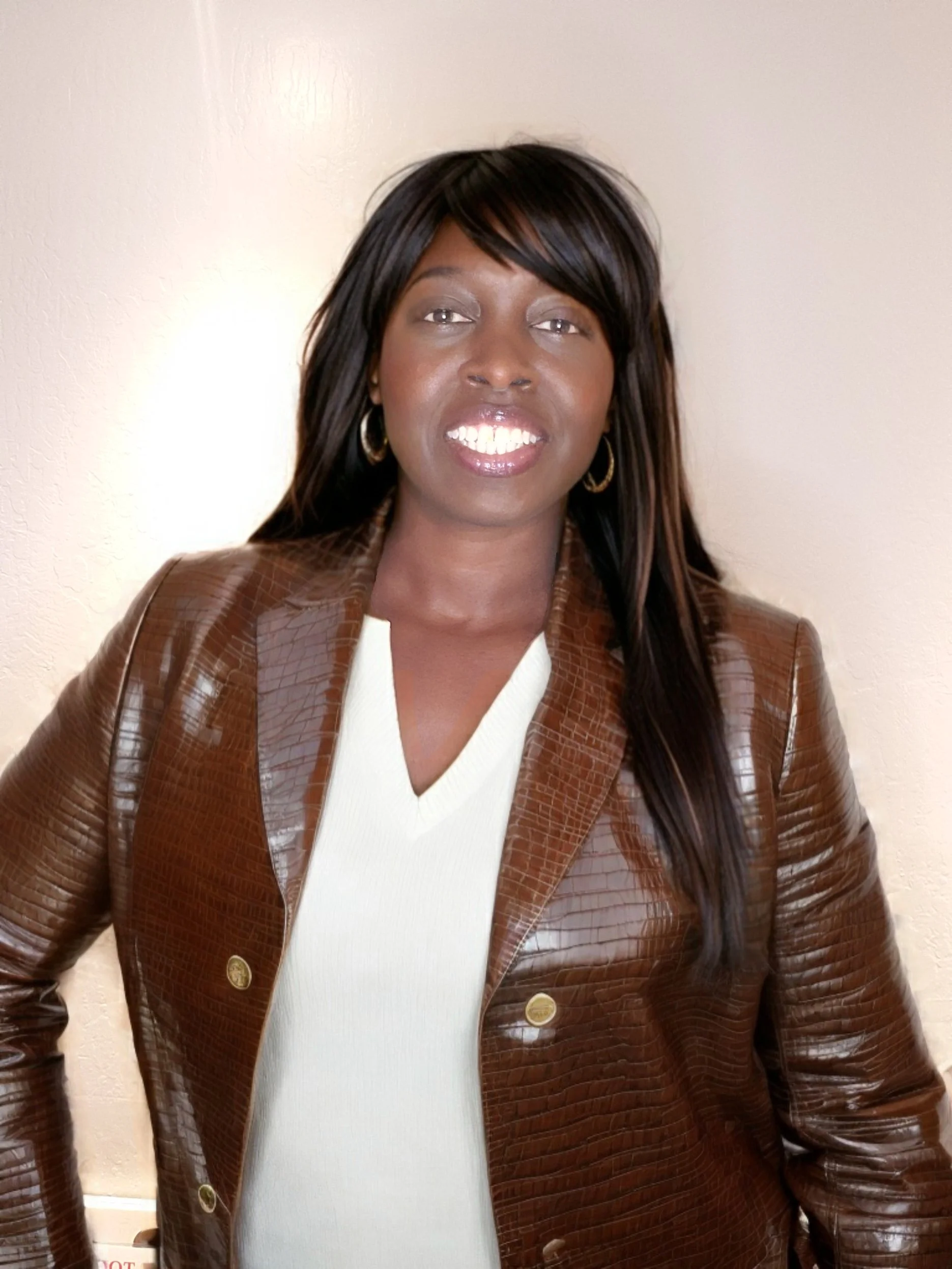
Dr. Vera Singleton, ND, MBA Founder, Potentia MedSpa, Lafayette, CA Voted Best Doctor of the East Bay Functional medicine and medical aesthetics under one roof, guided by one philosophy: one body, one doctor, simple answers.
Let’s look at the area you’ve never mentioned to anyone.
Book a consultation and we’ll start with a skin analysis. I’ll show you what’s actually happening in the skin above your lip, tell you honestly what this treatment will do, and whether treating the wider lower face makes more sense. You’re allowed to start wherever you want. I’ll meet you there.
Book Your FREE 20 Min Phone Consultation
Potentia MedSpa | 1043 Stuart St #210, Lafayette, CA 94549 | 510-230-2282