
Menopause Care: What Happens Now

The hot flashes settled. Your cycle stopped a while ago. The chaos of the transition is behind you, and in some ways you feel steadier than you did.
And now nobody is talking to you about anything.
You’ve noticed your hair is thinner. Your skin changed. Your weight sits differently and won’t move. Your brain isn’t quite as fast. And somewhere in the back of your mind you’re aware that your mother’s bones, or her heart, are part of your picture now too.
Here’s what I want you to know. Menopause is not the problem. What happens in the thirty years after it is the actual conversation, and almost nobody is having it with you. Bone density falls fastest in the first years afterward. Cardiovascular risk climbs sharply and quietly. Muscle loss accelerates. Cognitive change is real and it’s manageable. Hormone therapy is one useful tool among several and it is not the whole answer. What you do now about your bones, your heart, your muscle, your metabolism, and your brain determines the next three decades far more than any single prescription.
What actually changes
| What you’re living with now | What women commonly describe afterward |
|---|---|
| Nobody discussing anything with you since the hot flashes stopped | A plan for the next thirty years, not just the last two |
| Weight that sits differently and won’t move | Body composition shifting, muscle over scale weight |
| Strength you’ve lost despite still training | Building again, and holding it |
| A brain that isn’t as quick as it was | Clarity back, and trusting your own memory |
| Vague awareness that your bones are a concern | Knowing your actual density and what’s changing it |
| No idea where your cardiovascular risk sits | Measured, and addressed while it still matters |
| Hair thinner, skin thinner, both since your forties | Both treated, from the inside and the outside |
| Dryness and discomfort you assumed was permanent | Comfort, and interest coming back |
| Feeling invisible in the medical system | Somebody actually paying attention |
Individual results vary, and this is long-game work rather than a quick correction.
Menopause is not perimenopause
They get treated as one thing and they need different care.
Perimenopause is the transition. Fluctuating, unpredictable, symptomatic. Hormones swing wildly rather than declining smoothly, which is why it often feels worse than what follows. The work there is stabilizing the ride.
Menopause is what comes after, defined as twelve months since your last period. Your hormones are no longer fluctuating, they’re low and stable. Many of the acute symptoms settle.
And that’s exactly when the medical system loses interest in you, which is the wrong way round, because this is when the changes that determine your next thirty years are actually happening.
What’s different about this phase:
The volatility is gone, so what remains is decline rather than chaos. The changes are quieter and they compound. And almost all of them are more responsive to intervention now than they will be in ten years.
This is the prevention window. It’s genuinely a window, and it’s open now.
Your bones
The most time-sensitive thing on this page.
Bone loss accelerates sharply after menopause. Estrogen restrains the cells that break bone down, and when it goes, that restraint goes with it. The fastest loss happens in the first several years after your final period, which is precisely the period when most women are told nothing at all.
And bone density lost in that window is difficult to rebuild. Not impossible, considerably harder. Which is why acting now and acting in ten years are not equivalent.
What I actually do:
Measure it. A DEXA scan gives you your real bone density rather than an assumption. I encourage this rather than performing it, and I’ll tell you when to get one and how to read it.
Test what’s driving it. Vitamin D, calcium status, magnesium, vitamin K2, protein intake, thyroid, and cortisol, since chronically elevated cortisol degrades bone independently.
Address the load. Bone responds to mechanical stress. Resistance training and impact are the two things that actually build it, and they’re prescribed here rather than suggested.
Hormone therapy, where appropriate. Osteoporosis prevention is one of hormone therapy’s clearest and best-established benefits, and it’s one of the strongest arguments for starting within the window rather than after it.
And this is where the fasting conversation gets complicated. More on that below.
Your heart
The one nobody mentions, and the one that matters most.
Cardiovascular disease is the leading cause of death in women, by a wide margin, and it kills more women than all cancers combined. Most women believe breast cancer is the greater threat. It isn’t close.
Risk rises sharply after menopause. Estrogen has protective effects on blood vessels, cholesterol handling, and inflammation, and losing it changes your cardiovascular trajectory. LDL tends to rise, HDL tends to fall, blood pressure often creeps, and visceral fat increases, all in the same few years.
What I test: a full lipid panel rather than a basic one, including particle size and ApoB where indicated, inflammatory markers, fasting insulin and HbA1c, blood pressure, and body composition. Metabolic and cardiovascular risk are the same conversation.
What I do about it: address insulin resistance and visceral fat directly, since those drive the rest, correct the nutrients involved, use targeted botanical and nutritional support, and co-manage with your physician where medication is warranted.
On hormone therapy and your heart, I’ll be careful and honest. Timing matters, the evidence differs substantially depending on when therapy is started relative to menopause, and I will not tell you that hormone therapy prevents heart disease, because that overstates what’s known. What I’ll do is assess your actual cardiovascular risk properly, which almost nobody does for women in this phase, and treat what’s modifiable.
Your brain
The change women are most frightened of and least willing to raise.
Cognitive change through and after menopause is real. Word-finding difficulty, slower processing, memory that needs more support than it used to. It’s driven by hormonal change, and it’s compounded by the sleep disruption, the stress load, and the metabolic changes that arrive alongside.
It is frequently not what you fear it is. Most of what I see is explainable and improvable, and a substantial share of it is downstream of things nobody has looked at: thyroid function, B12 and ferritin, blood sugar swings, cortisol patterns, and years of fragmented sleep.
What I look at: thyroid including free T3 and reverse T3, B12, folate, ferritin, vitamin D, homocysteine, fasting insulin and blood sugar, cortisol across a day, and inflammatory markers. Then sleep, properly, rather than as an afterthought.
And I’d say one thing plainly. If your memory changes are significant, progressive, or frightening you, that deserves proper neurological assessment and I’ll help you get it. Reassurance is not a substitute for evaluation, and most of the time evaluation is reassuring.
Your muscle, and where your weight went
The change that drives more of the others than people realize.
Muscle loss accelerates after menopause, because estrogen and testosterone both support the ability to build and hold lean tissue. That’s sarcopenia, and it starts earlier and moves faster than most women are told.
Which explains the weight. Less muscle means a lower resting metabolic rate, so identical eating produces a different result. It also explains why the weight moved to your middle, since the fat distribution shift is hormonal rather than behavioral.
And it matters far beyond how you look. Muscle mass is among the strongest predictors of how well you function in your seventies and eighties. It affects your bone density, your metabolic health, your fall risk, and your independence.
So the goal here is not weight loss. It’s body composition: building and holding muscle while reducing visceral fat. Those are different objectives and pursuing the first at the expense of the second is actively harmful in this phase.
What that means practically: enough protein, which is more than you think and more than you’re eating. Resistance training, which is not optional. Adequate calories, because chronic restriction costs you muscle. And addressing the insulin and cortisol picture that’s making it harder than it should be.
Fasting, detox, and what actually helps
You’ve read about both. Here’s my honest position.
Fasting
It has real benefits and it is not universally good for women after menopause, and the second half of that sentence rarely gets said.
Where it helps: insulin sensitivity, metabolic flexibility, and visceral fat, all of which are genuinely relevant to you.
Where it causes harm in this phase: aggressive or prolonged fasting costs you muscle at exactly the point when you cannot afford to lose any, it elevates cortisol in women who frequently already have a cortisol problem, and it makes hitting a protein target considerably harder.
So my position is nuanced rather than enthusiastic. A moderate overnight window, combined with adequate protein and resistance training, is reasonable and useful for many women. Extended fasting, in a fifty-five-year-old woman losing muscle with an elevated cortisol pattern, is frequently the wrong tool. Which one you are is a testing question.
Detoxification
The word has been ruined by marketing and the underlying process is real. Your liver has two phases of detoxification, both of which require specific nutrients, and both of which handle your hormone metabolites.
Why it matters here specifically: how you metabolize estrogen affects your risk profile, and that pathway is testable. It’s also nutrient-dependent and modifiable.
What I actually do is support those pathways with the nutrients they require, address the gut, since a meaningful share of hormone metabolism happens there, and reduce the load where it’s reducible. What I don’t do is sell you a juice cleanse.
The parts of you that nobody asks about
Vaginal dryness and discomfort. This does not improve on its own with time. Unlike hot flashes, it progresses. It’s also one of the most treatable things I see, with hormonal and non-hormonal options, including for women who’ve had breast cancer.
Incontinence. Leaking when you sneeze, laugh, or lift. Extremely common after menopause, almost never mentioned, and treatable.
Libido. Frequently a testosterone question, and testosterone is the hormone least likely to have been tested.
Your skin and hair. Both change on the same timeline and for the same reason, and both respond to being treated from inside and outside at once.
Where hormone therapy fits
It’s a good tool. It is not the whole plan, and treating it as the whole plan is why some women do everything right and still lose bone, gain visceral fat, and lose muscle.
What it does well: symptom control, genitourinary tissue, bone protection, and quality of life. The bone benefit in particular is well established and it’s one of the better arguments for starting within the window.
What it doesn’t do: build muscle for you, correct insulin resistance, address a cortisol pattern, fix a thyroid problem, or replace resistance training and adequate protein.
And it isn’t right for everyone, whether because of history, risk profile, or preference. If that’s you, you are not without options. Botanical, nutritional, and metabolic approaches are a genuine path here, not a consolation prize, and a meaningful part of my practice.
How we start
A proper history and timeline, including when your final period was, since where you sit relative to that matters for several decisions.
Comprehensive testing. Hormones, full thyroid, cortisol across a day, insulin and blood sugar, a full lipid and cardiovascular picture, inflammatory markers, and nutrient status including vitamin D, B12, and ferritin. Two of these have their own page: read more about thyroid testing and read more about adrenal and cortisol testing.
Bone assessment, including encouraging a DEXA scan so we’re working from your actual density.
Body composition, because the scale is the least useful measurement in this phase.
We read it together, out loud, and you leave understanding your own numbers.
Then we build the plan, which will include hormone therapy or won’t, and will always include the bone, heart, muscle, and metabolic work regardless.
And we recheck. This is a long game and the plan should change as you do.
Menopause specialist near me: why women in the East Bay come here
Somebody is finally paying attention, at exactly the point when most women stop being asked anything.
The thirty-year view, bones, heart, brain, and muscle, not just symptom management.
Cardiovascular risk actually assessed, which is rare for women in this phase and it’s the thing most likely to matter.
Bone measured rather than assumed, and treated within the window when it responds best.
Body composition over scale weight, because muscle is what determines how you function at seventy-five.
Honest about hormone therapy, including what it doesn’t do and what I won’t claim for it.
Honest about fasting, including when it’s the wrong tool for a woman in this phase.
The embarrassing things asked about directly, because I know you won’t raise them.
An award winning doctor with fifteen years of practice in the East Bay. I’ve been voted Best Doctor of the East Bay, and I have page after page of five star reviews that show how hard I work for my patients.
I’m in Lafayette, CA, easy to reach from Walnut Creek, Orinda, Moraga, Danville, Alamo, Pleasant Hill, and the broader East Bay.
Frequently asked questions
-
This is the right question and almost nobody is asking it of you. The priorities are bone density, cardiovascular risk, muscle mass, and metabolic health, because all four change quietly after menopause and all four respond considerably better to intervention now than in ten years. Symptom relief is the short game. This is the long one.
-
It depends on your symptoms, your risk profile, and your goals. It remains useful for genitourinary tissue, bone protection, and quality of life, and many women stay on it long term for those reasons. Current guidance moved away from a fixed stopping point toward periodic reassessment. What I’d add is that hormone therapy alone doesn’t cover bone, heart, and muscle, so it should be part of a plan rather than the whole of it.
-
Two things happened at once. Fat distribution shifted toward your middle, which is hormonal rather than behavioral. And you started losing muscle faster, which lowered your resting metabolic rate so identical eating produces a different result. That’s why cutting calories harder tends to backfire here: it costs you more muscle. The work is body composition rather than weight.
-
Sometimes, and not universally, and the second half rarely gets said. It genuinely helps insulin sensitivity and visceral fat. It also costs muscle at the point you can least afford it and raises cortisol in women who often already have a cortisol problem. A moderate overnight window with adequate protein and resistance training is reasonable for many. Extended fasting frequently isn’t, and which one applies to you is a testing question.
-
Usually not in the way you fear, and it’s worth investigating rather than worrying about. Cognitive change after menopause is real and a substantial share of it traces to thyroid function, B12, ferritin, blood sugar, cortisol, and years of poor sleep, all of which are testable and improvable. If your changes are significant, progressive, or frightening you, that deserves proper neurological assessment and I’ll help you get it.
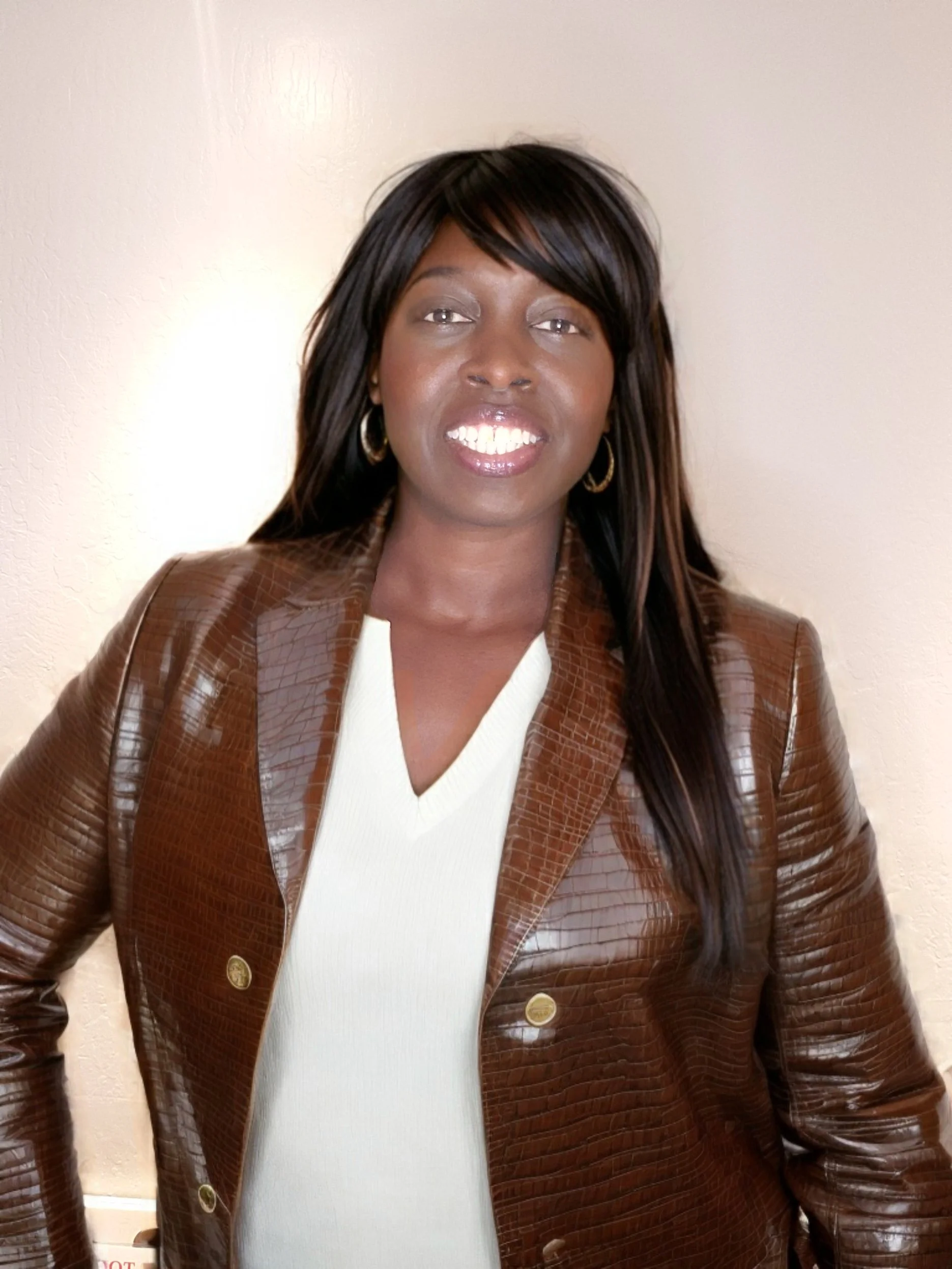
Dr. Vera Singleton, ND, MBA Founder, Potentia MedSpa, Lafayette, CA Voted Best Doctor of the East Bay Functional medicine and medical aesthetics under one roof, guided by one philosophy: one body, one doctor, simple answers.
Let’s talk about the next thirty years.
Book a consultation. We’ll test comprehensively, look at your bones, your heart, your muscle, and your metabolism alongside your hormones, and build a plan for the phase you’re actually in. This is the window where it matters most and where almost nobody is paying attention. You’re allowed to start wherever you want. I’ll meet you there.
Book Your FREE 20 Min Phone Consultation
Potentia MedSpa | 1043 Stuart St #210, Lafayette, CA 94549 | 510-230-2282