
Forehead Lines and the Elevens

You’ve started noticing them in photographs first. The two vertical lines between your brows that make you look worried or annoyed when you’re neither. The horizontal lines across your forehead that used to disappear and now don’t.
You’ve probably tried lifting your brows in the mirror to see what it would look like without them.
Here’s what I want you to know. There are two separate problems here and most treatment only addresses one. There’s the movement that creates the line, and there’s the line itself, etched into skin that’s thinned and lost its elasticity. A neurotoxin handles the first. Natur-Tox handles the second. It removes the damaged surface, rebuilds collagen and elastin underneath, and softens lines that are there whether or not your face is moving. If you use a neurotoxin, this makes it work better and last longer. If you never have, this treats the part a neurotoxin would leave behind.
What actually changes
| What you’re living with now | What clients commonly describe afterward |
|---|---|
| Two vertical lines between your brows that stay put | Softened at the skin level, where the crease actually is |
| Horizontal forehead lines that no longer disappear | Genuinely smoother rather than temporarily paused |
| Looking annoyed or worried in photographs | Your face reading the way you actually feel |
| A neurotoxin that helps but doesn’t quite get there | The remaining etched lines finally addressed |
| Forehead skin that’s rough, weathered, or sun-damaged | Resurfaced, with tone and texture evened |
| A brow that’s started to sit lower | Tightening across the upper face |
| Crow’s feet at the outer eye | Softened, treated as part of the same area |
| Reapplying every three months forever | A result that builds and holds |
Individual results vary, and this builds over months rather than appearing the day of treatment.
Why your brow furrows in the first place
This is the question almost nobody asks, and it matters because it changes what you do next.
Your brow furrows for reasons. Concentration. Squinting into light. Reading a screen at the wrong distance. Straining to see because your vision changed and you haven’t updated your prescription. Stress and jaw tension. Poor sleep. Some of it is habit you’ve had since childhood and some of it arrived in the last five years.
A neurotoxin removes the ability to make the movement. It doesn’t remove the reason you’re making it.
That matters for two reasons. It means the pattern comes back when the product wears off, because whatever was driving it is still driving it. And it means some of what you can do about this costs nothing: an updated prescription, screen height, actual sleep, and noticing when you’re doing it.
I bring this up at consultations and people are usually surprised. It isn’t a substitute for treatment. It’s the part that makes treatment last.
The line and the movement are two different things
Here’s the distinction that explains why so many women feel their forehead treatment got them most of the way and not all of it.
Dynamic lines appear when you move and disappear when you stop. They’re produced by muscle contraction in skin that still recoils.
Static lines are visible when your face is completely at rest. The skin has been folded in the same place so many times, with declining elasticity, that the crease is now etched into the tissue itself.
Almost everyone over 40 has both, and the elevens are where the transition happens first.
A neurotoxin is excellent at dynamic lines and only partially effective on static ones, because relaxing the muscle stops the folding but doesn’t undo a crease already set into the skin.
Natur-Tox works on the static line directly. Ablative plasma removes the damaged surface layer and drives collagen and elastin production in the healing response, so the tissue that holds the crease is physically rebuilt. The line softens because the skin changed.
That’s why the two work well together, and it’s why this treatment shines specifically on the lines a neurotoxin has already been applied to without full resolution.
If you use a neurotoxin, this makes it work better
I don’t offer neurotoxin or filler, so I have nothing to sell you in that conversation. Here’s what I actually observe.
The etched lines improve for the first time. The part your injector can’t reach gets addressed, so the overall result looks considerably better than either treatment produces alone.
Your skin quality changes, which is the thing a smooth forehead with rough, weathered skin still gives away.
And your neurotoxin tends to go further. Better quality skin with more collagen and elastin holds a smoother appearance between appointments, so the return of movement is less visually obvious. In my experience patients find they stretch their intervals rather than shortening them.
If you’ve never used one, none of this is a prerequisite. This treatment works on its own and plenty of my patients never go near an injectable.
What the treatment covers
The upper third of the face, treated as a unit, because these areas share the same muscles and treating one while leaving the others creates a visible edge.
Horizontal forehead lines
The elevens, the vertical glabellar lines between your brows
Crow’s feet at the outer corners of the eyes
Bunny lines across the bridge of the nose
The temples, where hollowing and skin quality change together
Static lines across the whole upper face
Sun damage, pigment, and weathered texture on the forehead, which takes more direct UV than almost anywhere else on the body
The pairing that works best
Liquid PRF is the natural complement here, and for a specific reason.
The upper face doesn’t only crease. It hollows. The temples lose volume, the brow loses support underneath, and skin that’s lost its underlying structure creases more easily and holds the crease longer.
Tightening addresses the surface. Liquid PRF, made from your own blood, restores the tissue quality and support underneath, placed into the areas that have thinned. Nothing synthetic, nothing to migrate, nothing to dissolve.
Treating both at once is why some results look complete and others look improved.
What to expect
Before. A skin analysis, so I can show you the difference between what’s dynamic and what’s etched in, and we can measure your elasticity before we start.
The appointment. About two hours. Topical numbing is used, and comfort is around a four out of ten.
Immediately after. Tightening is visible the same day, because contraction happens on contact.
The healing. Four to seven days for the upper face. Your skin visibly renews during that window and you’ll look like you’ve had something done. Plan for it and don’t book it before an event. I call it healing time rather than downtime because that renewal is what produces the result.
Over the following months. Collagen and elastin production continues long after the surface has healed, so your result at three months is better than at three weeks.
Sessions. Two to three.
What I add. PRF, exosomes, PDRN, or skin boosters, chosen from your analysis, to support healing and drive the rebuilding harder.
Safe for all skin types, Fitzpatrick I through VI, because plasma doesn’t target pigment. Each case monitored individually, with pretreatment where there’s a history of pigmentation.
Forehead lines treatment near me: why women in the East Bay come here
The etched lines get treated, not just the movement that made them.
Your skin quality changes, which is what a smooth forehead with weathered skin still gives away.
It works alongside a neurotoxin if you use one, and stands on its own if you don’t.
I’ll ask why your brow furrows, because some of what’s driving it is fixable for free.
Nothing injected, nothing frozen, nothing wearing off in three months.
Safe on every skin tone, Fitzpatrick I through VI.
Measured, not guessed, with elasticity on your skin analysis before and after.
An award winning doctor with fifteen years of practice in the East Bay. I’ve been voted Best Doctor of the East Bay, and I have page after page of five star reviews that show how hard I work for my patients.
I’m in Lafayette, CA, easy to reach from Walnut Creek, Orinda, Moraga, Danville, Alamo, Pleasant Hill, Berkeley, Oakland, and the broader East Bay.
Frequently asked questions
-
Yes. The elevens are one of the areas this treats best, particularly once they’re visible at rest rather than only when you frown. Ablative plasma removes the damaged surface layer and rebuilds collagen and elastin underneath, so the crease softens at the skin level. Nothing is injected and nothing is frozen.
-
That’s exactly what it’s for. Lines visible at rest are etched into the skin rather than only produced by movement, which is why relaxing the muscle only partially improves them. This treats the tissue holding the crease.
-
Not necessarily instead. They do different jobs. A neurotoxin stops the movement, this rebuilds the skin, and used together the etched lines improve and the skin quality changes. In my experience patients find their neurotoxin goes further afterward, because better quality skin holds a smoother appearance between appointments. I don’t offer neurotoxin, so I’ve no reason to move you off it.
-
Four to seven days for the upper face, with numbing during treatment and comfort at around four out of ten. Your skin visibly renews during that window, so plan for it and don’t schedule it before an event. Most people need two to three sessions.
-
Two reasons. It moves constantly, since your brow furrows thousands of times a week, and it takes more direct sun than almost anywhere else on your body. Both degrade elastin, which is what lets skin recoil. When the recoil goes, the fold stops coming back.
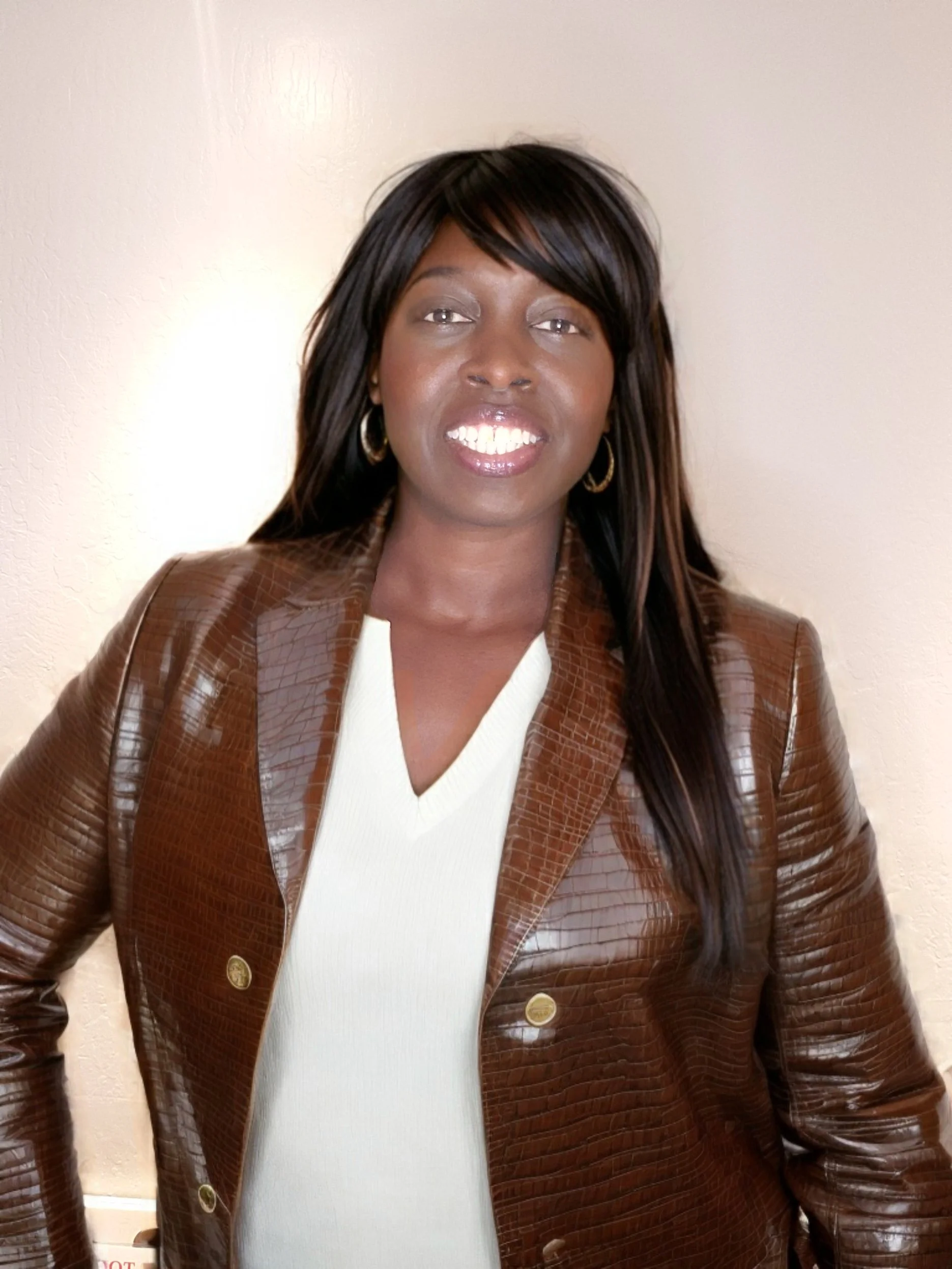
Dr. Vera Singleton, ND, MBA Founder, Potentia MedSpa, Lafayette, CA Voted Best Doctor of the East Bay Functional medicine and medical aesthetics under one roof, guided by one philosophy: one body, one doctor, simple answers.
Let’s see which of your lines are movement and which are etched in.
Book a consultation and we’ll start with a skin analysis. I’ll show you the difference on your own face, tell you what this treatment will and won’t do for you, and be honest about the recovery before you commit. You’re allowed to start wherever you want. I’ll meet you there.