
Bioidentical Hormone Replacement Therapy

You’re waking up at 3am. Your temper is shorter than it used to be. Your body changed and your brain feels one step behind. Someone told you it’s just your age.
Here’s the short answer. Bioidentical hormone replacement therapy uses hormones that are molecularly identical to the ones your body makes, most commonly estradiol, progesterone, testosterone, and DHEA. It’s used to treat the symptoms of perimenopause and menopause, and unlike a standard protocol, your prescription should be built from your own lab results. I test first, because where you are in the transition changes what you need. Then I prescribe, mostly topically, and I monitor you. You don’t get a prescription and disappear.
Why everyone is suddenly talking about hormone replacement therapy
Because the guidance changed, and it changed in your favor.
For more than twenty years, every estrogen product carried the FDA’s most serious safety label, the boxed warning. That happened in 2003 after the Women’s Health Initiative reported increased risks of breast cancer and stroke. Use of hormone therapy collapsed, and an entire generation of women was told to white-knuckle it.
Here’s what got lost. The average participant in that study was 63 years old, more than a decade past the average age of menopause, and the hormones used were conjugated equine estrogens with a synthetic progestin, which is not what most of us prescribe now.
In November 2025, after a full literature review, the FDA initiated removal of those boxed warnings, and it has since approved updated labeling on hormone therapy products, taking out the risk statements on cardiovascular disease, breast cancer, and probable dementia (FDA). The boxed warning about endometrial cancer for systemic estrogen-alone therapy stays, and it should, because if you still have a uterus you need progesterone alongside your estrogen. That part is not optional.
So no, you weren’t imagining that the advice kept changing. It did. And if you were told years ago that hormones were off the table, that conversation is worth reopening.
HRT and BHRT: what’s actually different
This is the question I get most, and the answer is simpler than the marketing makes it sound.
“Bioidentical” describes the molecule, not the brand and not the pharmacy. A bioidentical hormone is structurally identical to what your ovaries were producing. A synthetic one is close but not the same, and your receptors can tell the difference.
Here’s the part almost nobody explains: many bioidentical hormones are FDA approved and available at any pharmacy. Transdermal estradiol patches and oral micronized progesterone are both bioidentical. You do not need a compounding pharmacy to get bioidentical hormones. Compounding is for when the commercial product doesn’t fit you, which is a different conversation and I’ll get to it below.
| Conventional HRT | Bioidentical HRT | |
|---|---|---|
| What the hormone is | Includes synthetic or animal-derived forms, such as conjugated equine estrogens and progestins like medroxyprogesterone | Molecularly identical to your own hormones: estradiol, estriol, progesterone, testosterone, DHEA |
| Where it comes from | Commercially manufactured, FDA approved | Both. Many bioidentical forms are FDA approved. Others are compounded for individual patients |
| What the research is based on | The WHI studied conjugated equine estrogens with a synthetic progestin, in women averaging 63 years old | Newer formulations, including transdermal estradiol and micronized progesterone, have a different risk profile |
| How it’s dosed | Standard commercial doses | Can be individualized, including combinations and doses not available commercially |
| How I use it | Where an FDA approved product fits your needs, that’s what I prescribe | Where you need a custom dose, a specific combination, or a hypoallergenic base, I compound |
The honest version: this isn’t a fight between two camps. It’s a question of which molecule, which route, and which dose fits your body. That’s what testing tells us.
Where are you right now? Why I test before I prescribe
Here’s an assumption I want to take apart. Moving from perimenopause into menopause does not mean your hormones switched off. Your ovaries are still producing, often erratically, sometimes at levels higher than they were at 35, sometimes lower, sometimes both in the same month. That’s precisely why perimenopause feels so unpredictable.
If I don’t know where you actually are, I’m guessing at your dose. And a standard algorithm applied to a woman still producing her own estrogen produces a very different result than the same algorithm applied to a woman five years past her last period.
So we test. Serum hormone levels tell me what you’re circulating and what dose you need. I can also map how your body metabolizes hormone, which matters, because two women on the identical prescription can process it completely differently. That’s a real clinical difference and it shows up in how you feel.
And we keep testing. This is where I differ most from what’s happening online right now. There’s been an explosion of telehealth hormone prescriptions with no baseline labs, no follow-up, and no one adjusting anything. You fill out a form, a hormone arrives, and nobody ever looks at you again.
That’s not hormone therapy. That’s a subscription.
I recheck your levels, I adjust your dose based on how you feel and what your labs show, and I keep watching for as long as you’re on it. Hormones aren’t a set-it-and-forget-it prescription, and the whole point of individualized dosing is undone if nobody ever checks whether it worked.
If you already have labs from another provider within the past three to six months, bring them. I’ll read them.
Perimenopause or menopause: what’s the best option, and when should you start?
There isn’t one right answer, and anyone who gives you one without looking at your labs is selling you something.
In perimenopause, you’re still cycling, even if irregularly, so the goal is usually to smooth out the volatility rather than replace everything. Progesterone support often matters most here, especially for sleep and anxiety. Estrogen may or may not be needed yet, depending on where your levels actually sit.
In menopause, production has largely stopped, so we’re replacing rather than smoothing, and the conversation shifts toward long-term protection alongside symptom relief.
On timing, the guideline is clear and it favors starting sooner. The Menopause Society’s 2022 position statement concludes that for most healthy, symptomatic women under 60 or within ten years of menopause onset, the benefits of hormone therapy outweigh the risks (NAMS 2022 Position Statement). Past that window, the balance shifts and the decision needs more individual weighing.
But the real answer to “when should I start” is: when your symptoms are affecting your life, and when your labs and your preferences point the same direction. Some women want to try botanicals and lifestyle support first. That’s a completely valid choice and I’ll help you do it well. Others want to start now. Also valid.
You’re allowed to decide. My job is to make sure the decision is informed.
The four ways to take hormones, and why I prefer topical
Route matters more than most women are told. It changes how the hormone reaches your bloodstream, and that changes your risk profile.
Here’s the short version of the biology. Anything you swallow goes through your liver first, and estrogen passing through the liver increases production of clotting factors. Anything absorbed through your skin skips that step.
| Route | What it is | What it offers | What concerns me |
|---|---|---|---|
| Oral | Tablets or capsules taken by mouth | Familiar, widely available, simple to take | Liver first-pass effect. Observational evidence links oral estrogen to higher clot risk than transdermal, and ACOG advises considering the thrombosis-sparing properties of transdermal forms |
| Patches | Adhesive transdermal patch, changed once or twice weekly | Steady delivery, bypasses the liver, FDA approved, easy to adjust or stop | Skin irritation for some women, adhesion issues, limited dose options |
| Topical creams and gels | Applied daily to the skin, can be commercial or compounded | Bypasses the liver, dose can be titrated precisely, allows customized combinations | Requires daily consistency, and transfer to a partner or child is possible if application isn’t handled correctly |
| Pellets | Hormone pellets implanted under the skin every few months | Convenient, no daily routine | This is the one I’m most cautious about. Levels often run higher than physiologic, dosing can’t be adjusted once implanted, and if you react badly you wait it out |
My preference is topical, meaning patches, creams, or gels, because bypassing the liver reduces risk and because I can adjust your dose when your body tells me to. The clot-risk difference between oral and transdermal comes largely from observational research rather than head-to-head trials, so I’d call it a strong signal rather than settled fact (ACOG committee opinion). But when a safer route is available and works just as well, I take it.
If you have a uterus and you’re on systemic estrogen, you need progesterone too. That isn’t a preference, it’s endometrial protection.
How I source your hormones, and why consistency matters more than anything
Demand has surged and supply hasn’t kept up. Women are calling me because their pharmacy is out, their dose was substituted, or their prescription has been unavailable for weeks. That’s not a small inconvenience. Inconsistent dosing means inconsistent results, and it undermines both symptom relief and the long-term protective benefits that come from staying on a steady dose.
So I work with accredited compounding pharmacies alongside commercial products, which gives us options when the standard route hits a wall.
What compounding makes possible:
Precise dosing at strengths that aren’t commercially available
Hypoallergenic formulations when you react to a dye, preservative, or base in a commercial product
Combinations of estradiol, estriol, testosterone, progesterone, or DHEA in a single preparation
Continuity when a commercial product is on backorder
I want to be straightforward about the tradeoff. Compounded preparations aren’t FDA approved and aren’t subject to the same batch-level oversight as commercial products, which is exactly why the pharmacy I use matters. I work with accredited pharmacies, and where an FDA approved product fits you well, that’s what I prescribe. I compound when there’s a clinical reason to, not as a default.
What estrogen protects, and why most women stay on it
Symptom relief is why women start. It’s usually not why they stay.
Bone. This is the strongest evidence in the category. Estrogen slows bone loss and reduces fracture risk, and osteoporosis prevention is one of the FDA approved indications for hormone therapy. Bone density lost in the first years after menopause is difficult to rebuild, which is one of the arguments for not waiting.
Skin. Estrogen supports collagen and skin thickness. When it drops, skin gets thinner, drier, and less elastic, and that happens faster in the years right around menopause than at any other point in your life. This is why so many women feel like their face changed suddenly rather than gradually.
Muscle. Estrogen and testosterone both support the ability to maintain and build lean muscle. Losing that support is part of why strength training results get harder to come by after 45. Read more about testosterone replacement, which is prescribed for women as well as men and is chronically under-tested.
Hair. This one I’ll frame as clinical observation rather than settled evidence, because it is. In fifteen years of practice I’ve consistently seen hair density and quality track with hormone status, and women who address their hormones tend to hold onto their hair better than women who don’t. The research here is thinner than it is for bone or skin, so I’d rather tell you that plainly than overstate it.
Genitourinary tissue. Vaginal dryness, discomfort, and urinary changes respond to estrogen, and unlike hot flashes, these symptoms don’t improve on their own with time. They progress.
On duration: the current guidance moved away from a fixed stopping point toward periodic reassessment with your prescriber. Which means the answer to “how long can I stay on this” is not a number I can give you on a webpage. It’s a conversation we revisit, with your labs in front of us.
The two questions that come up next
Two things come up in nearly every hormone consultation I do, and both deserve real answers rather than being folded into the prescription.
My skin changed and I want to do something about it
The estrogen decline that changed your sleep also changed your face. Laxity, sagging along the jawline, dryness, dullness, and skin that just doesn’t bounce back the way it used to.
The Rockstar Facial is what I most often recommend alongside hormone therapy. It’s a plasma energy treatment that resurfaces, tightens, brightens, and stimulates collagen, and there’s essentially no downtime. You might be pink for a few hours. That’s it. It’s also a good starting point if you’ve been nervous about microneedling or had a bad experience with it.
Hormones work from the inside. This works from the outside. Together they do more than either does alone.
Intimacy changed, and nobody wants to talk about it
Vaginal dryness, discomfort, reduced sensation, and lost desire are among the most common things I hear and the least often raised first. They’re also very treatable.
I offer both hormonal options, including vaginal estriol, estradiol, and DHEA, and non-hormonal options such as hyaluronic acid and regenerative treatments using your own platelet-rich fibrin. There are non-injection plasma treatments as well. And these conversations aren’t only for women. There are options for your partner too.
BHRT near me: why women in the East Bay come here
Most of the women I start on hormones have already been somewhere. Told their labs were normal. Offered an antidepressant for what turned out to be a hormone shift. Handed a prescription online with no testing and no follow-up.
What’s different here:
I test before I prescribe, and I keep testing. Your dose comes from your labs and your symptoms, not from an algorithm.
I monitor you for as long as you’re on therapy. No one gets a prescription and disappears.
I favor topical routes and I’ll tell you honestly why, including where the evidence is strong and where it’s only suggestive.
I work with accredited compounding pharmacies when you need a custom dose, a combination, or a hypoallergenic formula, and with commercial products when those fit better.
I treat the whole picture. Thyroid, adrenal, metabolism, gut, weight, skin, and sexual wellness, all read by the same person. Your hormones don’t operate in isolation and neither do I.
An award winning doctor with fifteen years of practice in the East Bay. I’ve been voted Best Doctor of the East Bay, and I have page after page of five star reviews that show how hard I work for my patients.
I’m in Lafayette, CA, easy to reach from Walnut Creek, Orinda, Moraga, Danville, Alamo, Pleasant Hill, Berkeley, Oakland, and the broader East Bay.
Frequently asked questions
-
“Bioidentical” means the hormone is molecularly identical to what your body makes, such as estradiol or micronized progesterone. Conventional HRT has historically included synthetic or animal-derived forms. Many bioidentical hormones are FDA approved and available at any pharmacy, so bioidentical does not automatically mean compounded. What matters most is which molecule, which route, and which dose fits your body.
-
Yes, in part. In November 2025 the FDA initiated removal of the boxed warnings related to cardiovascular disease, breast cancer, and probable dementia from menopausal hormone therapy products, and has since approved updated labeling. The boxed warning about endometrial cancer for systemic estrogen-alone therapy remains, which is why women with a uterus need progesterone alongside estrogen.
-
You can absolutely start in perimenopause, and many women should. Perimenopause is when hormone levels swing hardest, which is why symptoms often feel worse then than after menopause. Because you’re still producing your own hormones, the approach is different, which is exactly why testing comes first.
-
Current guidance moved away from an arbitrary stopping point toward periodic reassessment with your prescriber. Many women stay on therapy long term for bone, skin, muscle, and genitourinary protection, not just symptom relief. The right duration for you depends on your risk profile, your labs, and your goals, and it’s a decision we revisit rather than set once.
-
Yes, and this is a common reason women come in. I’ll run baseline labs, look at what you’re taking and how you’re absorbing it, adjust the dose or the route if it isn’t serving you, and monitor you properly from there. You don’t have to defend how you started.
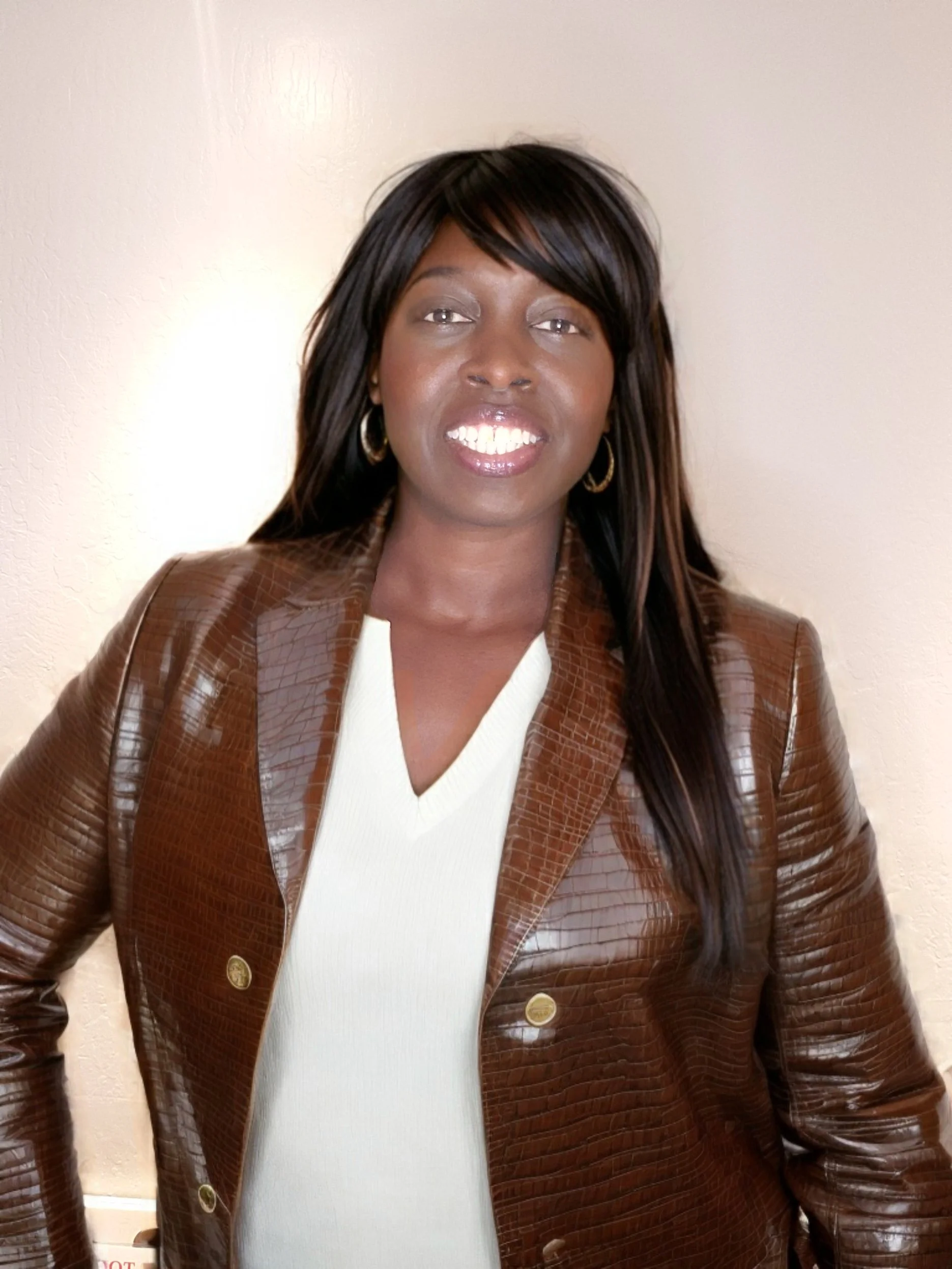
Dr. Vera Singleton, ND, MBA Founder, Potentia MedSpa, Lafayette, CA Voted Best Doctor of the East Bay Functional medicine and medical aesthetics under one roof, guided by one philosophy: one body, one doctor, simple answers.
Let’s find out where your hormones actually are.
If you’re in perimenopause or menopause and you’re tired of being told this is just your age, book a consultation. We’ll test, we’ll look at your results together, and we’ll build a prescription around your body rather than a protocol. You’re allowed to start wherever you want. I’ll meet you there.