
Testosterone Replacement Therapy

Your drive is gone. Not just libido, though that too. The drive to start things, to push through, to care about the outcome.
You train and get less back than you used to. You’ve lost strength you worked for. Your body composition changed without your habits changing. You’re flat in a way that isn’t sadness and isn’t tiredness, and you can’t quite name it.
Here’s what I want you to know. Testosterone does the same jobs in every body: drive, strength, muscle, mood, cognitive sharpness, and energy. It declines with age in men and women both, and in women it declines earlier and further than most people realize. It is also one of the most under-tested hormones in medicine, and one of the most commonly dismissed. I test it properly in both, which means more than a single total reading, and I treat it: topically or vaginally for women, topically or by injection for men.
What actually changes
| What you’re living with now | What people commonly describe afterward |
|---|---|
| Drive gone, at work and at home | It coming back. This is the one nearly everyone mentions first |
| Libido that isn’t there, and you’ve stopped expecting it | Wanting to, rather than agreeing to |
| Training hard and getting nothing back | Strength returning, and effort producing results again |
| Muscle you’ve lost despite doing everything right | Building again, and holding what you build |
| Weight settling in a new place and staying there | Body composition shifting, muscle over scale weight |
| Flat, foggy, and short on motivation | Sharper, steadier, and interested in things again |
| Days to recover from a hard session | Recovery back to something reasonable |
| Being told your level is normal while nothing feels normal | An actual explanation from testing that was actually run |
Individual results vary, and I’ll tell you honestly at your consultation what’s realistic for you.
What testosterone actually does
It gets talked about as a male sex hormone, which is why half the people who need it never get tested. It’s a metabolic and neurological hormone that both bodies run on.
Drive, and not only the sexual kind. Motivation, initiative, and the willingness to push at something. People describe its absence as flatness far more often than as low libido.
Muscle and strength. Testosterone drives protein synthesis and the ability to build and hold lean tissue. Its decline is a large part of why training stops paying the way it did.
Body composition. Less testosterone means less muscle, and less muscle means a lower resting metabolic rate, which is why weight starts behaving differently on identical habits.
Mood and cognition. Low testosterone shows up as flatness, irritability, and mental fog, in both sexes.
Bone. It contributes to bone density in men and women both, which matters more the further past fifty you are.
Energy. Not the caffeine kind. The underlying capacity to do things.
For women
Let me start here, because this is where the most people are being missed.
Why nobody tested you
Testosterone is your most abundant sex hormone by volume. Your ovaries and adrenal glands produce it throughout your life, and levels decline steadily from your twenties onward, so that by the time you reach menopause you have substantially less than you did at thirty. That decline is gradual, which is exactly why it gets attributed to everything else.
And it’s rarely tested. A woman describing low libido, flatness, lost strength, and brain fog is usually offered estrogen, an antidepressant, or reassurance. Testosterone is frequently not measured at all, and when it is, the reference ranges are wide enough that almost nothing looks abnormal.
If you’re on hormone therapy and something is still missing, this is worth checking. Estrogen and progesterone do a great deal and they don’t do this.
What women notice
Libido and arousal, which is what most women come in about. But also strength, muscle, motivation, mental clarity, mood stability, and energy. A lot of women tell me afterward that the libido change was expected and the return of drive in the rest of their life was the surprise.
How I prescribe it for women
Topically, as a cream or gel applied daily, dosed for a female body. This is the route I use most. Doses for women are a fraction of male doses, and precise dosing is the entire game, which is why I compound for this rather than dividing a product designed for someone else.
Vaginally, where the goal includes tissue quality, comfort, and local sensation alongside systemic effect. This can be used on its own or alongside vaginal estrogen and DHEA, depending on what your testing and your history call for.
And monitored. Levels rechecked, dose adjusted, and symptoms tracked, because the aim is restoring you to a healthy female range rather than overshooting it. Done properly, the side effects people worry about are uncommon and reversible, and they’re the direct result of dosing that was never adjusted.
For men
Why your normal result may not be the answer
A single total testosterone reading tells you very little.
What matters is free testosterone, meaning the fraction actually available to your tissues. Most of your testosterone is bound to sex hormone binding globulin and doing nothing. A man with a technically normal total and elevated SHBG can have very little free testosterone in circulation, feel exactly as you’d expect, and be told he’s fine.
What else belongs in the picture: SHBG, estradiol, DHT, DHEA, and where your thyroid, cortisol, and insulin sit, because every one of those affects your testosterone and how well therapy will work.
What I’ll tell you before we start
Sometimes the low reading is downstream of something else. Chronic cortisol elevation suppresses testosterone directly. So does insulin resistance, poor sleep, and significant nutrient deficiency. Correcting those raises testosterone in a meaningful number of men without a prescription.
I’d rather find that out first than start you on something you’ll be on indefinitely. That’s a real conversation and it’s one most telehealth prescribing skips entirely.
How I prescribe it for men
Topically, as a daily cream or gel. Steadier levels without the peaks and troughs of a dosing cycle, and easy to adjust or stop.
By injection, where that suits you better. Fewer applications, and for some men better absorption and better results.
Which one depends on you, your absorption, your levels, and how you actually live. I’ll tell you what I think and the choice is yours.
And monitored properly. Baseline testing, follow-up testing, dose adjustment, and review of the markers that matter alongside, including estradiol, hematocrit, and PSA where appropriate. That monitoring is the part telehealth prescribing leaves out, and it’s the part that keeps this safe.
Why I don’t offer pellets
I’m asked about these constantly and the answer is no, for three reasons.
Levels routinely run above physiologic. Pellets deliver a large dose that peaks well above where you want to be and then declines across the months.
The dose can’t be adjusted once it’s implanted. Hormone therapy is an iterative process. Getting it right means changing the dose based on how you feel and what your labs show, and a pellet removes that ability entirely.
And if you react badly, you wait it out. Months. That’s the part I find hardest to accept, because with a topical or an injection we can change course within a week.
I use routes I can adjust. That’s the whole argument.
What testing actually looks like
Total and free testosterone, because the free fraction is what your tissues can use.
SHBG, because it determines how much of your total is actually available.
Estradiol and DHT, because testosterone converts into both and the balance matters.
DHEA, as a precursor.
Full thyroid, including free T3 and reverse T3. Thyroid affects energy, mood, weight, and drive, and it produces an overlapping symptom picture.
Cortisol across a full day, because cortisol suppresses testosterone directly and is one of the most common reasons therapy underdelivers.
Fasting insulin and blood sugar, since insulin resistance lowers testosterone and raises estradiol.
And nutrient status, particularly ferritin, vitamin D, and zinc.
Read together, not one line at a time. That’s the method, and it’s why things turn up here that didn’t turn up elsewhere.
Testosterone replacement therapy near me: why people in the East Bay come here
I test it properly in both men and women, which means free and total, SHBG, and the systems around it rather than one number.
Women get taken seriously here. Testosterone in women is under-tested and under-treated, and it’s frequently the missing piece when hormone therapy hasn’t delivered.
Compounded and dosed precisely, which matters most for women, where the correct dose is a fraction of a male dose.
Multiple routes. Topical or vaginal for women, topical or injectable for men, chosen for you rather than for convenience.
No pellets, because I want to be able to adjust your dose when your body tells me to.
I’ll tell you if you don’t need it, and why your level is low, rather than starting you on something indefinitely by default.
Monitored properly, with follow-up testing and the safety markers that go with it.
An award winning doctor with fifteen years of practice in the East Bay. I’ve been voted Best Doctor of the East Bay, and I have page after page of five star reviews that show how hard I work for my patients.
I’m in Lafayette, CA, easy to reach from Walnut Creek, Orinda, Moraga, Danville, Alamo, Pleasant Hill, Berkeley, Oakland, and the broader East Bay.
Frequently asked questions
-
Yes, and a meaningful number should be at least tested for it. Testosterone is a woman’s most abundant sex hormone by volume, it declines steadily from your twenties, and it drives libido, strength, muscle, mood, and mental clarity in a female body just as it does in a male one. Doses for women are a fraction of male doses, which is why precise compounding matters, and I prescribe it topically or vaginally depending on your goals.
-
A single total reading tells you very little. What matters is free testosterone, the fraction actually available to your tissues, alongside SHBG, estradiol, DHT, and where your thyroid, cortisol, and insulin sit. A normal total with elevated SHBG can mean very little free testosterone doing anything at all. That fuller picture is where the answer usually is.
-
No. Levels routinely run above physiologic, the dose can’t be adjusted once it’s implanted, and if you respond badly you wait months for it to wear off. Hormone therapy works by adjusting the dose to how you actually respond, and a pellet removes that ability. I use topical, vaginal, and injectable routes, all of which I can change within a week.
-
Not necessarily, and it depends on why yours is low. Sometimes the level is downstream of chronic cortisol elevation, insulin resistance, poor sleep, or a nutrient deficiency, and correcting those raises it without a prescription. Sometimes therapy is genuinely the right answer and people stay on it for years because it’s working. I’d rather find out which before committing you to anything.
-
Frequently, yes, particularly for women. Estrogen and progesterone do a great deal and they don’t do what testosterone does. If your sleep and hot flashes improved and your drive, strength, motivation, and libido didn’t, testosterone is worth measuring. It’s also worth checking your cortisol pattern, since that’s another common reason hormone therapy stalls.
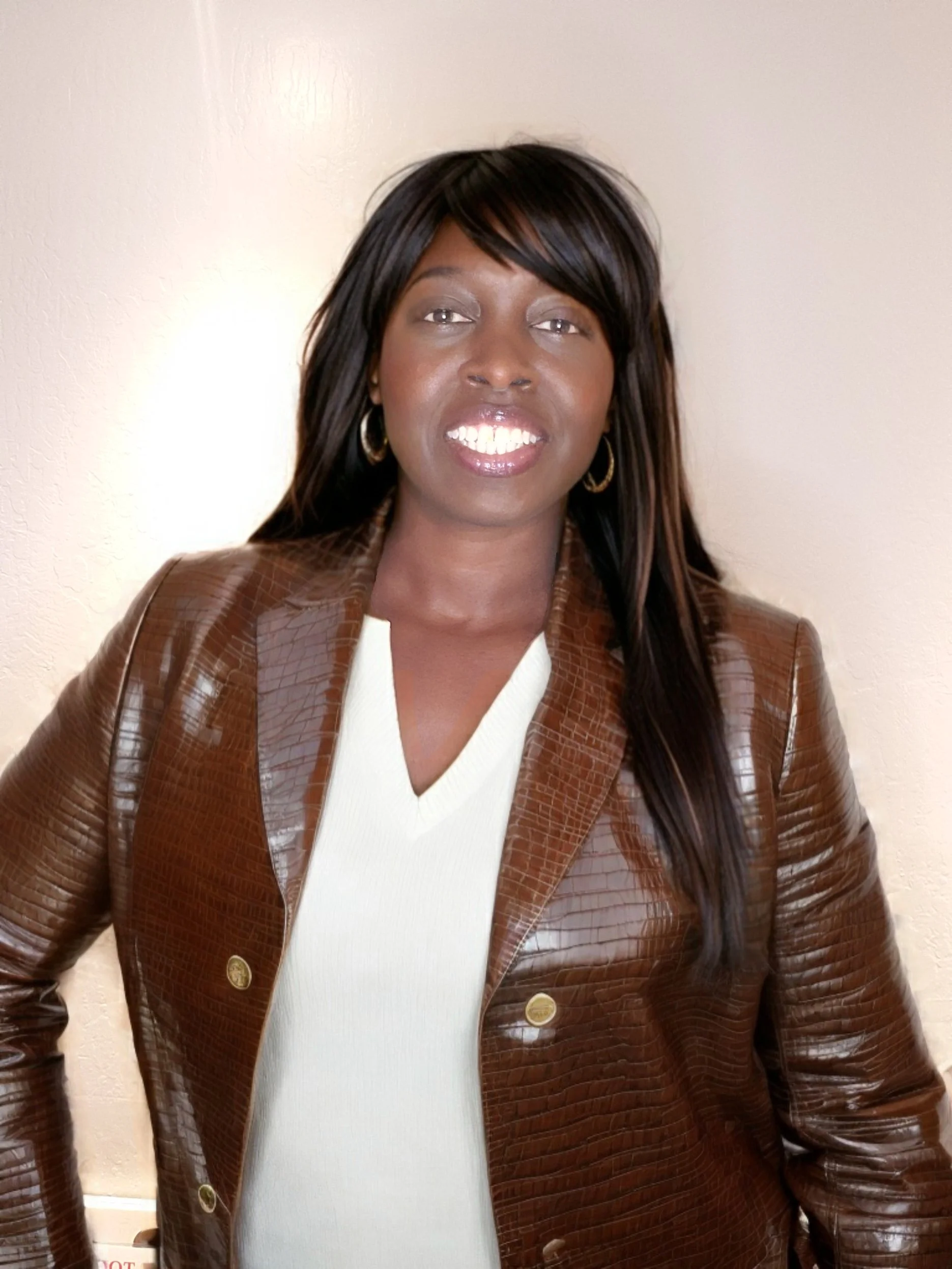
Dr. Vera Singleton, ND, MBA Founder, Potentia MedSpa, Lafayette, CA Voted Best Doctor of the East Bay Functional medicine and medical aesthetics under one roof, guided by one philosophy: one body, one doctor, simple answers.
Let’s find out what your level actually is, and what’s driving it.
Book a consultation. We’ll test properly, including the free fraction and everything around it, read it against your thyroid, cortisol, and blood sugar, and then sit down together with the results. If therapy is the right answer, we’ll pick the route that suits you. If it isn’t, I’ll tell you that too. You’re allowed to start wherever you want. I’ll meet you there.