
Men’s Health: Testosterone, Energy, Digestion, and Hair

You’re tired in a way sleep doesn’t fix. Your drive is down, at work and otherwise. You’re training the same and getting less. The weight has moved to your middle and stayed there. Your gut has been off for a couple of years and you’ve stopped mentioning it.
You went to a doctor about one of those things. Someone ran a basic panel, told you it looked normal, and that was that.
Here’s what I want you to know. Those aren’t five separate problems. Testosterone, cortisol, thyroid, insulin, and gut function all interact, and testing one in isolation is why the answer keeps coming back normal. I run the full picture, read it together, and treat what’s actually driving it, including prescribing testosterone therapy when that’s what you need. Most of the men I see come in for testosterone, energy, digestion, or hair. Usually it turns out to be more than one, and usually they’re connected.
What actually changes
| What you’re living with now | What men commonly describe afterward |
|---|---|
| Tired in a way that sleep doesn’t fix | Energy that lasts the day |
| Drive down, at work and at home | It coming back, which is the one men mention first |
| Training hard and getting less from it | Strength and recovery responding again |
| Weight settled at your middle and staying there | Body composition shifting, muscle over scale weight |
| Gut problems you’ve stopped bringing up | Predictable digestion, and getting your food back |
| Foggy, short-tempered, flat | Sharper, steadier, and recognizably yourself |
| Thinning at the crown or the temples | Shedding settling, then density over months |
| Told your labs are normal while feeling terrible | An actual explanation, from testing that was actually run |
Individual results vary, and I’ll tell you honestly at your consultation what’s realistic.
Testosterone
The reason most men book, and the one that’s most often handled badly.
What low testosterone actually looks like. Low drive and low libido. Fatigue that sleep doesn’t resolve. Loss of strength and muscle despite training. Weight settling at the middle. Brain fog and low mood. Poor recovery. Erectile changes. Sleep that got worse.
Why “your testosterone is normal” often isn’t the end of it. A single total testosterone reading tells you very little. What matters is free testosterone, meaning what’s actually available to your tissues, along with sex hormone binding globulin, estradiol, DHT, and where your thyroid, cortisol, and insulin sit. A man with a technically normal total and a high SHBG can have very little free testosterone doing anything, and he’ll be told he’s fine.
What I run: total and free testosterone, SHBG, DHT, estradiol, DHEA, full thyroid including free T3 and reverse T3, cortisol across a day, fasting insulin and glucose, plus ferritin, vitamin D, and B vitamins.
I test for it and I treat it, including prescribing. So this isn’t a referral conversation. If therapy is what you need, you get it here, from the same person who ran your labs and who will be looking at them again in three months.
And I’ll tell you when you don’t need it. Sometimes a low reading is downstream of something else, and correcting sleep, cortisol, insulin resistance, or a nutrient deficiency brings it up without a prescription. That’s a better outcome than a lifelong medication you didn’t require, and I’d rather find out first.
When therapy is right, it’s monitored properly. Baseline testing, follow-up testing, dose adjustment, and ongoing review of the markers that matter, including estradiol, hematocrit, and PSA where appropriate. Not a prescription and a wave, which is what a great many men are currently getting.
Adrenal and cortisol
The one nobody tests and the one that’s frequently underneath everything else.
What it looks like. Wired at eleven at night and useless at seven in the morning. Stress tolerance that used to be fine and isn’t. Crashing in the afternoon. Weight at the middle that arrived during a hard stretch at work. Recovery that takes days instead of hours. Sleeping poorly for so long it’s become normal.
Why it matters for testosterone specifically. Cortisol and testosterone are in direct competition. Sustained high cortisol suppresses testosterone production, and chronically flattened cortisol leaves you without the drive to do anything about it. Treating low testosterone while a cortisol problem runs unchecked is a common reason therapy underdelivers.
How I assess it. Cortisol across a full day rather than a single morning draw, using blood, dried urine, and saliva depending on what’s being asked. A pattern is what matters here, not a number.
Digestion
The one men wait longest to mention, and the one that has the widest reach.
What brings men in. Bloating that arrived and stayed. Reflux. Bowel habits that changed and never changed back. Reacting to foods that were fine for forty years. And frequently a full workup that came back clean, followed by a shrug.
What I test that a scope doesn’t answer. SIBO, dysbiosis, yeast overgrowth, parasites, H. pylori, gut barrier integrity, digestive capacity, and food reactivity. A normal colonoscopy rules out structural disease, which is genuinely good news, and it tells you nothing about whether your digestion is working.
Why it connects to everything else. Absorption drives your nutrient status, which drives your energy and your hormones. Inflammation from the gut affects testosterone and cortisol directly. And the men who tell me their gut is the least of their problems are often the ones for whom fixing it changes the most.
Hair
Male pattern thinning is driven by genetics and by DHT sensitivity, and it’s the area where the most money gets spent on the least effective things.
What I do differently. Test first. Thyroid, ferritin, vitamin D, and hormone status including DHT, because the assumption that all male hair loss is purely genetic means treatable contributors get missed constantly.
Then treat from both directions. The internal work, plus PRF placed directly into the scalp, which delivers your own concentrated growth factors and stem cells to the follicle. It’s your own tissue rather than a product.
And where prescription topicals help, I prescribe finasteride, dutasteride, and minoxidil topically rather than orally. Applied to the scalp they reach the follicle while largely avoiding the systemic exposure that makes a lot of men refuse the oral versions outright. If you’ve ruled these out because of what you read about the side effects, the topical route is worth a conversation.
Looking like yourself, not like you’ve had something done
This is the part most men assume isn’t for them, and the assumption is usually based on having seen it done badly.
Here’s the concern, stated plainly. Men who’ve watched other men get work done have seen faces that read wrong. Too full, too smooth, faintly feminine, obviously altered. Nobody wants that, and the fear of it keeps a lot of men from ever asking the question.
That result comes from adding a manufactured product to a face. Filler occupies space. It softens and rounds, and a male face has different structural proportions than a female one, so a technique that flatters one can feminize the other.
What I do is different, and the difference is what makes it work for men. EZ Gel and liquid PRF are made from your own blood. Nothing synthetic is introduced. Your platelets and growth factors are concentrated and returned to you, and your own tissue does the rebuilding.
So it doesn’t add volume where volume changes your shape. It restores the tissue you had. Under-eye hollowing and the shadowing that makes you look tired. Skin that’s thinned and lost its density. Temples that have gone concave. The general flattening that reads as aged rather than as any specific feature.
And it builds gradually over months, which means there’s no before-and-after moment. Nobody notices a change and asks what you did. You just stop looking tired.
This is particularly worth knowing if you’re already doing the work. The men who ask me about this are usually the ones training seriously, watching their nutrition, and on testosterone therapy, whose bodies reflect the effort and whose faces have started not to. That gap is frustrating in a specific way, and it’s fixable.
And the thing nobody asks about
Erectile quality, sensation, and performance change with age, and the reasons are usually physical: blood flow, tissue quality, hormones, and nervous system.
I offer P-STIM, a non-injection plasma treatment for tissue quality and sensation, and PRF-P Intimate Rejuvenation, which uses growth factors concentrated from your own blood.
And I’d say one thing plainly. Erectile changes are frequently the first visible sign of a vascular, metabolic, or hormonal problem that deserves attention in its own right. So it isn’t only worth treating for the obvious reason. It’s worth investigating.
Why these connect
This is the argument for seeing one person rather than four.
Cortisol suppresses testosterone. Insulin resistance lowers it too, and raises estradiol. Thyroid function affects energy, weight, mood, and hair. Gut inflammation and poor absorption undermine all of it. And every one of those affects how well any treatment for the others works.
Test them separately, months apart, with different providers, and the interactions are invisible. That’s why a man can be on testosterone therapy, doing everything right, and still feel flat.
I read them together. That’s the whole method.
How we start
We talk properly. Your history, your timeline, what changed and when. This takes longer than you’re used to.
We test comprehensively. Everything above, in one round rather than piecemeal.
I explain the results out loud, with you. Not a portal notification. You’ll understand your own numbers when you leave.
We treat what’s actually driving it, which may or may not be what you came in about.
And we recheck. Testing gets repeated, doses get adjusted, and if something isn’t working we change it rather than continuing it.
If you have labs from another provider within the past three to six months, bring them. I’ll read them.
Men’s health clinic near me: why men in the East Bay come here
The full picture, tested together. Testosterone, cortisol, thyroid, insulin, and gut, read against each other rather than one at a time.
I test for it, treat it, and prescribe it, so it’s one doctor rather than an assessment here and a prescription somewhere else.
I’ll tell you if you don’t need it, and why your reading is low, rather than starting you on something for life by default.
Monitored properly if you do. Baseline, follow-up, dose adjustment, and the safety markers that go with it.
Digestion taken seriously, including everything a normal colonoscopy doesn’t answer.
Hair treated from both directions, with topical prescriptions rather than pills.
Regenerative aesthetics that don’t feminize, using your own blood rather than a manufactured filler, so you look rested rather than altered.
One doctor, one plan, your history told once.
An award winning doctor with fifteen years of practice in the East Bay. I’ve been voted Best Doctor of the East Bay, and I have page after page of five star reviews.
I’m in Lafayette, CA, easy to reach from Walnut Creek, Orinda, Moraga, Danville, Alamo, Pleasant Hill, and the broader East Bay.
“Dr. Vera Singleton is the absolute best naturopathic doctor I have seen and, believe me, I have seen a lot in the last ten years. First of all, Dr. Singleton will listen to you.” Mike C.
“Dr. V is the person you want in your corner. The level of expertise she’s accumulated throughout her career, in tandem with a no-nonsense attitude makes it an absolute pleasure to place my trust in her guidance.” Noe Chavez
Frequently asked questions
-
A single total testosterone reading tells you very little. What matters is free testosterone, meaning what’s actually available to your tissues, alongside SHBG, estradiol, DHT, and where your thyroid, cortisol, and insulin sit. A normal total with high SHBG can mean very little free testosterone doing anything. That fuller picture is where the explanation usually turns up.
-
I test for it and I treat it, including prescribing. So you’re not being assessed in one place and prescribed somewhere else, and the person reading your labs in three months is the person who ordered them. I’ll also tell you when you don’t need therapy, because sometimes a low reading is downstream of sleep, cortisol, insulin resistance, or a nutrient deficiency, and correcting those brings it up without a prescription.
-
Absorption drives your nutrient status, and your nutrient status drives your hormones and your energy. Gut inflammation also affects testosterone and cortisol directly. It’s one of the most consistently overlooked contributors in men’s health, partly because men tend not to bring digestive symptoms up unless asked.
-
Yes, and more than most men think. Genetics and DHT sensitivity drive it, and there are usually treatable contributors alongside, including thyroid, ferritin, and vitamin D, which almost never get checked. I treat internally, use PRF placed directly into the scalp, and prescribe finasteride, dutasteride, and minoxidil topically rather than orally, which avoids most of what makes men refuse the oral versions.
-
Longer than you’re expecting, because the history matters as much as the labs. You’ll talk through your timeline properly, we’ll decide what to test, and then we’ll sit down together and go through the results when they’re back rather than sending you a summary.
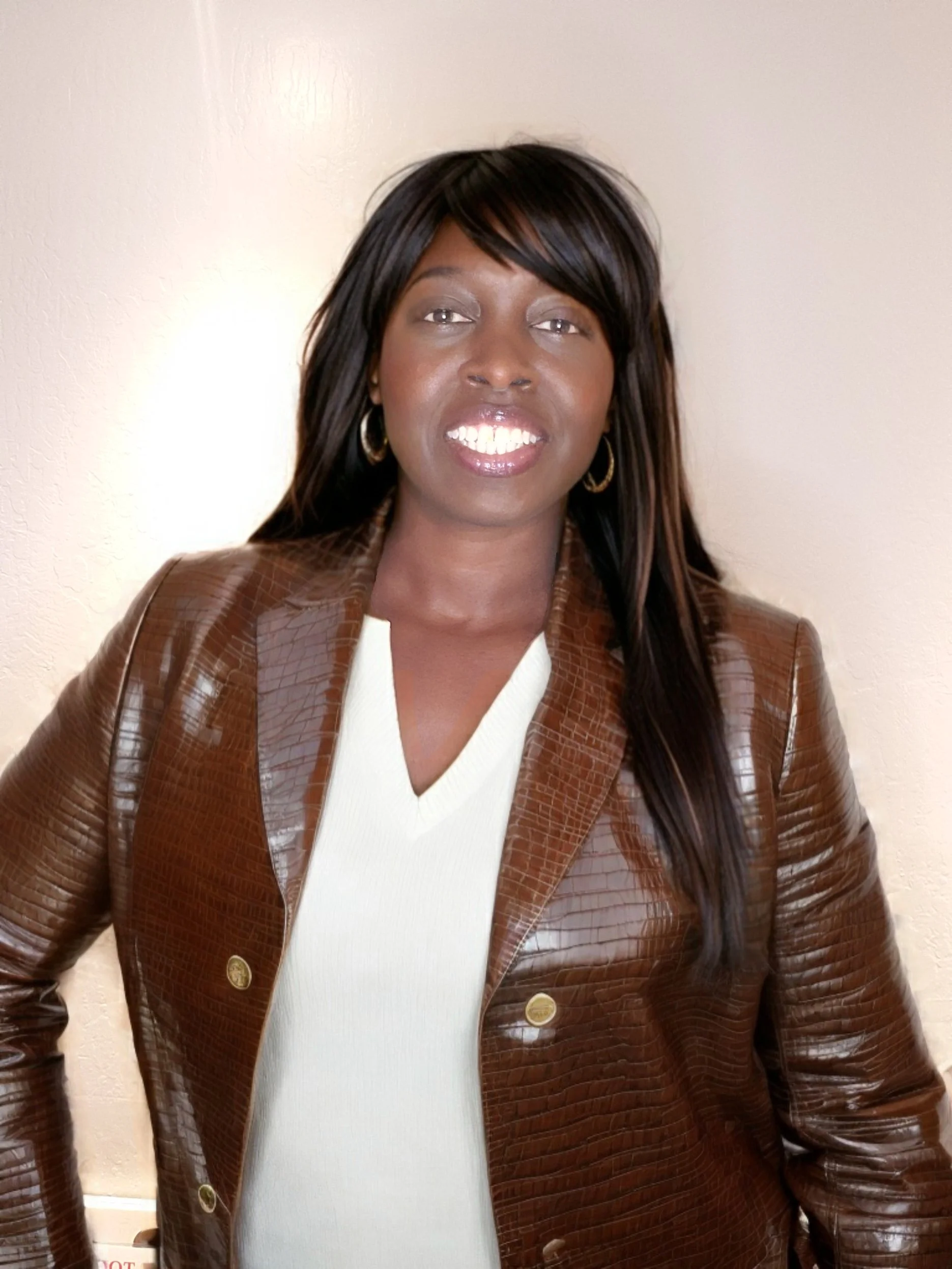
Dr. Vera Singleton, ND, MBA Founder, Potentia MedSpa, Lafayette, CA Voted Best Doctor of the East Bay Functional medicine and medical aesthetics under one roof, guided by one philosophy: one body, one doctor, simple answers.
Let’s find out what’s actually going on.
Book a consultation. We’ll go through your history, run the testing that gets past “your labs are normal,” and sit down together with the results. You’ll leave understanding your own numbers and knowing what happens next. You’re allowed to start wherever you want. I’ll meet you there.
Book Your FREE 20 Min Phone Consultation
Potentia MedSpa | 1043 Stuart St #210, Lafayette, CA 94549 | 510-230-2282