
Digestion Relief: Answers After the Gastroenterologist
You’ve had the colonoscopy. The endoscopy. The stool tests. Someone told you everything looked fine, and you left with a diagnosis that explained nothing and a suggestion to manage your stress.
Meanwhile you’re bloated by noon. You know where every bathroom is on your commute. You’ve stopped saying yes to dinners because you can’t predict what your body will do. Your safe food list has shrunk to about a dozen things, and lately even water sits wrong.
Here’s what I want you to know. Women who do this work with me describe the same handful of changes: the bloating stops running their day, digestion becomes predictable and unremarkable, they stop planning their life around bathrooms, and food they’d given up on comes back onto the plate. That last one is the point. My goal is not to hand you a longer list of things you can’t eat. It’s to find out why your system is reacting, repair it, and get you back to eating like a person with a social life.
What actually changes
Let me be specific, because “gut healing” means nothing until someone tells you what it looks like on a Tuesday.
Here’s what women in my practice most often report.
| What you’re living with now | What women commonly describe afterward |
|---|---|
| Flat in the morning, unbuttoning your pants by noon | Wearing the same clothes comfortably all day, and forgetting to think about it |
| Knowing where every bathroom is, everywhere you go | Not planning around it. Leaving the house without a strategy |
| Not eating before an event, a flight, or a meeting | Eating breakfast before you go, like it’s nothing |
| Declining dinners, birthdays, and travel | Saying yes, and not paying for it the next day |
| A safe list of about twelve foods | Foods you actually love back on the plate, one at a time, on purpose |
| Reflux, burning, sleeping propped up on pillows | Sleeping flat |
| Plain food and even water causing symptoms | Tolerating the basics again, which is where trust starts coming back |
| Urgency that arrives without warning | Predictable, boring digestion. Boring is the goal |
| Wiped out after every meal | Having energy after eating instead of needing to lie down |
| Skin flares, brain fog, and aching joints alongside it | Those settling too, because they were downstream of the same inflammation |
| Feeling like your body is revolting against you for no reason, or that it’s all in your head | Understanding exactly what’s happening and what to do about it |
That last row is the one that changes how women feel about their own bodies. Not because the symptoms are gone yet, but because the mystery is.
When you’ll notice what
I’d rather give you a real timeline than a hopeful one. Individual response varies, and digestion in particular varies a lot.
| Timeframe | What usually shifts |
|---|---|
| First 2 to 4 weeks | Bloating and urgency are often first to settle once we remove the biggest drivers. Some women feel temporarily rougher during this stretch, especially when we’re treating an overgrowth, which is expected and not a sign it’s failing |
| 1 to 3 months | Predictability returns, which matters more than people expect. Reflux easing. Energy after meals. Skin and mental clarity often improving alongside |
| 3 to 6 months | This is where we widen your diet rather than narrow it. Reintroducing foods deliberately, barrier repair, and slip-ups costing you less than they used to |
| 6 to 12 months | Eating socially without planning around it. Real resilience, meaning a bad meal is an inconvenience rather than a lost weekend |
| Ongoing | Retesting where it’s useful, seasonal support, and knowing what to do if something flares. You leave knowing how to manage your own system |
Two caveats.
Treatment can feel worse before better. When we’re clearing an overgrowth, the first week or two can be uncomfortable. I tell people in advance so it doesn’t feel like a setback.
Some conditions recur and need managing rather than curing. Overgrowths in particular can come back, especially when the underlying reason they happened isn’t addressed, which is precisely why I look for that reason instead of just treating the overgrowth.
Why your tests came back normal
This is the part that makes women feel crazy, so let me explain it clearly.
A gastroenterologist is looking for structural disease and doing it well. Ulcers, inflammation, polyps, tumors, celiac damage, inflammatory bowel disease. A colonoscopy and endoscopy are excellent at answering that question, and getting a normal result is genuinely good news.
But “no visible disease” is not the same as “working properly.” Your gut can be structurally intact and functionally a mess, and the workup that rules out disease isn’t designed to detect that.
Here’s what tends to be going on instead:
Bacterial overgrowth in the wrong place. Bacteria that belong in your colon setting up in your small intestine, fermenting your food before you can absorb it. That’s where a lot of bloating within an hour of eating comes from.
Dysbiosis. Not an infection, but the wrong balance of organisms, producing inflammatory byproducts your immune system responds to. That includes yeast overgrowth. Candida is the one most people have heard of and it isn’t the only one I find.
A compromised gut barrier, which you’ve probably seen called leaky gut. Your intestinal lining is supposed to be selective. When that selectivity degrades, things cross into circulation that shouldn’t, which is why gut problems so often come with skin flares, fog, and joint aches. The popular name is imprecise, but the underlying problem is real and it’s measurable.
Not enough digestive capacity. Low stomach acid, insufficient enzymes, or poor bile flow means food isn’t being broken down properly. Undigested food is what feeds an overgrowth, so this compounds.
Motility that’s slowed down. Often hormonal, particularly through perimenopause and menopause. Food moving too slowly ferments, and fermentation is gas and bloating.
Parasites, and organisms nobody looked for. Standard stool testing misses a lot. More sensitive testing finds things that were there all along.
None of these show up on a colonoscopy. All of them are testable and all of them are treatable.
What I test, and what it gets you
I don’t start with a diet. I start with information, because the diet that helps depends entirely on what’s actually happening.
| What I’m looking for | How it shows up in your life | What I test | What changes when it’s addressed |
|---|---|---|---|
| Small intestinal bacterial overgrowth | Bloating within an hour of eating, distension, gas, reacting to healthy food like vegetables and beans | SIBO breath testing | The bloating that ran your day stops running it |
| Dysbiosis, yeast, and pathogens | Irregularity in both directions, cramping, symptoms that shift without pattern | GI mapping and stool analysis, by PCR and culture | Predictability, and inflammation dropping across your whole body |
| Parasites | Symptoms that started after travel or an illness and never left, fatigue alongside gut symptoms | Sensitive stool testing beyond the standard panel | Symptoms nobody could explain finally resolving |
| Barrier integrity and inflammation | Reacting to many foods, skin flares, brain fog, aching joints | Inflammatory and barrier markers, including the changes behind what’s popularly called leaky gut | Fewer food reactions, and the symptoms outside your gut settling |
| Food reactivity | You suspect food but can’t pin down which one, and elimination didn’t clarify it | Food sensitivity testing, then structured elimination and reintroduction | Knowing which foods actually matter, so you stop avoiding the ones that don’t |
| Digestive capacity | Heaviness after meals, undigested food, reflux, feeling full immediately | Assessment of stomach acid, enzyme, and bile function | Meals that don’t sit like a stone |
| Nutrient status | Fatigue, hair loss, poor healing despite eating well | Ferritin and iron studies, B12, vitamin D, zinc, protein status | Energy, hair, and repair, because absorption is finally happening |
| Hormones and motility | Digestion that changed in your forties on the same timeline as everything else | Full hormone panel including thyroid | Transit normalizing, which fixes a lot downstream |
If you’ve already had testing, bring it. I’ll read anything from the past three to six months and tell you what’s missing rather than starting you over.
Two of these have their own page. Read more about IBS and SIBO treatment and read more about food sensitivity testing.
Getting your food back
This is the part I care about most, and it’s where I differ most sharply from how this usually goes.
Food is not fuel. It’s your mother’s recipe, it’s the table at a birthday, it’s the reason you go to that restaurant with your friends. When digestion goes wrong, you don’t just lose comfort. You lose the pleasure, the spontaneity, and eventually the social life, because it’s easier to decline than to explain.
And the standard path makes that worse. Cut out gluten. Then dairy. Then FODMAPs. Then nightshades. Each round narrows your world, and none of it tells you why. I’ve met women eating twelve foods who were still symptomatic and now afraid of the twelve.
Restriction is a diagnostic tool, not a treatment. We remove things temporarily to learn something. Then we fix what we learned about, and then we put food back.
So the plan runs in this order:
Find the cause. Testing first, so we’re removing the right things rather than everything.
Treat it. Overgrowth, dysbiosis, parasites, low digestive capacity, barrier repair, motility. Whatever your results actually show.
Rebuild capacity. Nutrients that repair the lining, support for acid and enzymes, and the raw materials your gut needs to function on its own.
Put food back, deliberately. One at a time, tracked, so you learn what your body genuinely can’t handle versus what it couldn’t handle when it was inflamed. Those are usually very different lists, and the second one shrinks.
Live with it gracefully. Knowing what to do when you overdo it, because you will, and that’s fine.
I’d add one thing. If eating has become frightening, if you’re anxious before meals or your world has narrowed to a handful of safe foods, that’s a real consequence of what you’ve been through and it deserves attention too. Getting your food back is partly physical and partly rebuilding trust in your own body, and I take the second part as seriously as the first.
What I use
An integrative approach, which in practice means I’m not limited to one toolkit.
Dietary modification that leaves you a life. Targeted to your results and time-limited by design, with reintroduction built in from the start. Not a permanent list of prohibitions.
Botanical therapy. Herbal antimicrobials for overgrowth and dysbiosis, plus botanicals for motility, spasm, and inflammation. This is where naturopathic training earns its place, because there’s real depth here that most conventional practices simply don’t have access to.
Nutrients that rebuild the lining. Amino acids, minerals, and specific compounds that support the gut barrier and the tissue itself, chosen from your labs rather than a shelf.
Digestive support. Enzymes, acid support, and bile support where testing shows you need them, which is more often than people assume.
Targeted probiotic and prebiotic strategy. Which strains, when, and sometimes deliberately not yet, because probiotics in the wrong order can make an overgrowth worse.
Antifungal support where yeast is part of the picture, guided by testing rather than assumed.
Prescription options where they’re the right tool. I’m not ideological about this. If a prescription is what your situation calls for, that’s what I’ll recommend.
The rest of your body. Hormones, thyroid, cortisol, and inflammation, because they drive digestion and get ignored in a purely gut-focused workup.
Already seen a gastroenterologist?
Most of the women I treat have, and I work alongside that rather than in competition with it.
A gastroenterologist looks for structural disease and performs the procedures that find it. That work matters and I’m glad you had it done, because knowing you don’t have a tumor is information you needed.
What usually happens next is the gap. Nothing structural was found, so there’s nothing to treat within that framework, and you’re sent home with a functional diagnosis and general advice. Not because anyone failed you. Because functional digestion is a different question requiring different testing.
That’s the question I answer. Overgrowth, dysbiosis, yeast, parasites, barrier integrity, digestive capacity, absorption, motility, and food reactivity. All testable, all treatable, and none of it visible on a scope.
And because gut inflammation so often shows up on the skin, read more about the gut and skin connection if rosacea, acne, or eczema is part of your picture. If your digestion changed on the same timeline as everything else in your forties, read more about hormone testing.
And if you have a diagnosed condition, I co-manage it with you. Inflammatory bowel disease, including ulcerative colitis and Crohn’s, is treated in an integrative setting here: nutrition built from your own testing, nutrient repletion, inflammatory and microbiome support, and the food reactivity that so often sits alongside it. Your gastroenterologist handles pharmaceutical management and the monitoring that needs their equipment. Neither of us is doing the other’s job, and you get more than either approach alone.
Where I’ll send you for imaging or scoping, because that’s equipment rather than expertise: if a question needs a colonoscopy, an endoscopy, or imaging to answer it, that happens elsewhere and I’ll get you there. Then we keep working.
Symptoms I want evaluated
I’d rather say this plainly than have you wait.
Blood in your stool, black stools, unexplained weight loss, trouble swallowing, persistent vomiting, iron deficiency anemia without a clear cause, symptoms that wake you from sleep, a fever alongside your symptoms, or a family history of colon cancer. Also colon cancer screening if you’re over 45 and haven’t had it.
I’ll tell you if that’s you and make sure it happens, because starting treatment around an unanswered question is how something gets missed.
And one specific thing worth knowing before you change anything. If you haven’t been tested for celiac disease and you’re considering going gluten-free, get tested first. Celiac testing requires that you’re still eating gluten, so going gluten-free first can cost you a clear answer for months. If screening is positive, gastroenterology performs the confirming endoscopy and I handle the dietary work from there.
GI specialist near me: why women in the East Bay come here
Almost everyone I treat for this has been somewhere first. The full workup, the clean result, the shrinking food list, and years of being told to manage their stress.
What’s different here:
I test function, not just structure. SIBO, dysbiosis, parasites, barrier integrity, digestive capacity, and absorption. The questions a colonoscopy isn’t designed to answer.
Restriction is temporary and diagnostic. The goal is a wider diet than you have now, not a narrower one.
You get your food back. That’s the actual objective, and I’ll say it out loud because nobody else seems to.
I look outside your gut, at hormones, thyroid, and inflammation, because digestion changing in your forties is rarely a coincidence.
Real depth in botanical and nutritional therapy, with prescription options when those are the better tool.
I can co-manage with your gastroenterologist, including inflammatory bowel disease, so you’re not choosing between approaches.
An award winning doctor with fifteen years of practice in the East Bay. I’ve been voted Best Doctor of the East Bay, and I have page after page of five star reviews that show how hard I work for my patients, including many for exactly this.
I’m in Lafayette, CA, easy to reach from Walnut Creek, Orinda, Moraga, Danville, Alamo, Pleasant Hill, and the broader East Bay.
Frequently asked questions
-
That result rules out structural disease, which is genuinely good news, but it doesn’t tell you whether your digestion is working. Bacterial overgrowth, dysbiosis, parasites, barrier problems, low digestive capacity, and slowed motility can all cause severe symptoms with a completely normal scope. Those require different testing, and that’s where I start.
-
For structural disease, procedures, and colon cancer screening, yes, and I’ll refer you. For functional digestive problems where the workup came back clean, that’s the territory I work in. The two aren’t in competition, and plenty of my patients see both.
-
Bloating and urgency are often the first things to settle, frequently within the first month once we’ve identified and removed the main driver. If we’re treating an overgrowth, the first week or two can feel rougher before it improves. Predictability tends to follow over one to three months, and widening your diet comes after that.
-
No, and I’d consider that a failure rather than a treatment. Restriction is how we learn what’s happening, not the end goal. Once we’ve treated the cause and rebuilt your capacity, we put foods back deliberately, one at a time. Most women can tolerate considerably more than they could before, because the reactivity was coming from inflammation rather than the food itself.
-
Not before you’ve been tested for celiac disease. Celiac testing only works while you’re still eating gluten, so going gluten-free first can cost you a clear answer for months. Get tested, then we’ll decide what’s worth removing based on your actual results rather than guessing.
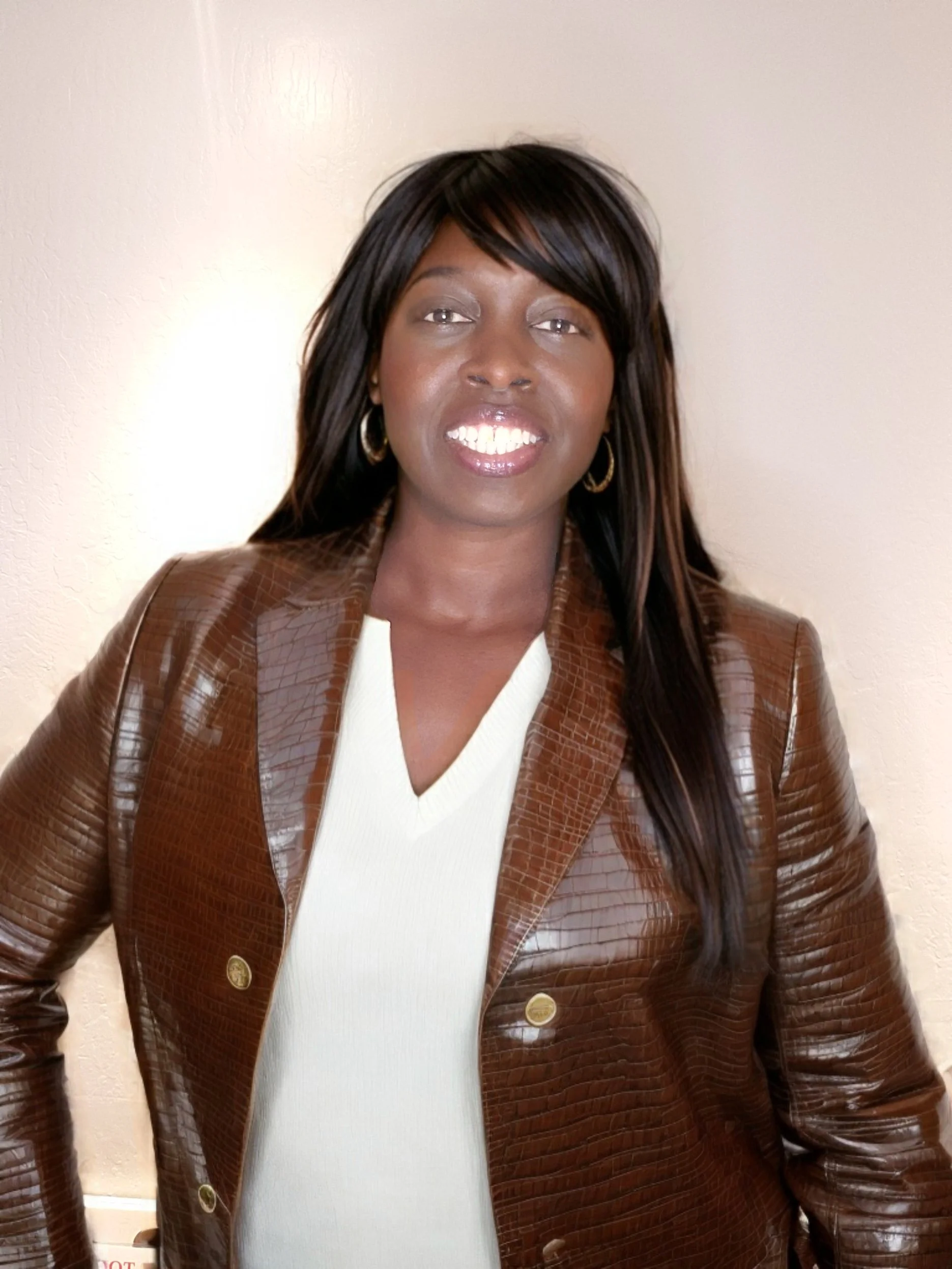
Dr. Vera Singleton, ND, MBA Founder, Potentia MedSpa, Lafayette, CA Voted Best Doctor of the East Bay Functional medicine and medical aesthetics under one roof, guided by one philosophy: one body, one doctor, simple answers.
Let’s find out why your system is reacting, and get your food back.
Book a consultation. We’ll go through your history and everything you’ve already been through, run the testing that answers what a scope can’t, and build a plan aimed at a wider diet rather than a narrower one. You’re allowed to start wherever you want. I’ll meet you there.
Book Your FREE 20 Min Phone Consultation
Potentia MedSpa | 1043 Stuart St #210, Lafayette, CA 94549 | 510-230-2282