
Hormone Specialist: Complete Hormone Testing and Balancing

You’re awake at 3am again, wired and exhausted at the same time.
You snapped at your family over something that didn’t deserve it, and afterward you didn’t recognize yourself. Your weight hasn’t moved in a year despite doing everything right. Your energy dies at two in the afternoon. And somebody ran a panel, told you it looked normal, and sent you home.
Here’s what I want you to know. Women who do this work with me usually describe the same handful of changes: they sleep through the night, they stop losing their temper over nothing, their brain comes back, their body starts responding to effort again, and they feel like themselves for the first time in years. Not younger. Themselves. That happens because we test the entire hormone system rather than one piece of it, find what’s actually driving your symptoms, and correct that. The reason you were told you’re fine is almost always that the wrong things were tested, or the right things were read one at a time.
What actually changes
Let me be specific, because “hormone balance” is a phrase that means nothing until someone tells you what it looks like on a Tuesday.
Here’s what women in my practice most often report, in their own terms.
| What you’re living with now | What women commonly describe afterward |
|---|---|
| Awake at 3am, then dragging all day | Falling asleep without a fight, sleeping through, waking before the alarm and feeling like you actually slept |
| Waking up drenched and changing your shirt | Sleeping in the same clothes you went to bed in |
| Dead by 2pm, needing caffeine or a lie-down | Getting through the afternoon intact, and having something left in the evening instead of surviving until bedtime |
| Snapping at your family, then sitting in the car feeling like a bad person | The volume knob back in your own hands. Still irritated sometimes, but proportionate, and it passes |
| Losing words mid-sentence, rereading the same page, keeping lists for things you used to just remember | Finding the word. Retaining what you read. Trusting your own memory again |
| Doing everything right and the scale not moving | Your body responding to effort again, clothes fitting the way they used to, strength training showing up in the mirror |
| Hair in the drain every single shower | Shedding settling down first, then density coming back over months |
| Sore for five days after one hard workout | Recovering in a day or two, and a hard week not flattening you |
| Dryness, discomfort, and no interest in sex | Wanting to, rather than agreeing to |
| Brutal PMS and unpredictable cycles | Cycles you can plan around and a premenstrual week that doesn’t take you out |
| Feeling like a worse version of yourself | Feeling like yourself, which is the one nearly everyone mentions and the one that matters most |
That last row is why women cry in my office, and it’s usually at the follow-up rather than the first visit. Not because anything dramatic happened. Because they’d quietly concluded this was who they were now.
When you’ll notice what
I’d rather give you a real timeline than a hopeful one, so here’s how this typically unfolds. Individual response varies, sometimes considerably.
| Timeframe | What usually shifts |
|---|---|
| First 2 to 4 weeks | Sleep is often the first thing to move, and it’s the change that makes everything else more bearable. Night sweats commonly settle early. Some women feel a bit unsettled during this stretch while dosing is being found, which is normal and not a sign it’s failing |
| 1 to 3 months | Energy through the afternoon. Temper and emotional regulation. Mental clarity beginning to return. Cycle symptoms softening if you’re still cycling |
| 3 to 6 months | Body composition starting to shift, especially with training and adequate protein. Hair shedding slowing. Brain fog lifting more completely. Libido and comfort improving. Recovery from exercise noticeably better |
| 6 to 12 months | Visible hair density. Strength and muscle you can see. Weight responding in a way it hadn’t. Skin quality improving. The protective benefits, particularly for bone, accruing quietly in the background |
| Ongoing | Retesting, dose adjustment, and maintenance. Your body keeps changing and your plan should change with it |
Two honest caveats.
Some women feel slightly worse before better. Finding the right dose takes a few adjustments, and the adjustment period can be bumpy. That’s the part people quit during, which is exactly why I stay in contact rather than handing you a prescription and moving on.
Hormones are not the whole answer for everyone. If your sleep is being wrecked by an untreated airway problem, or your fatigue is anemia, or your mood needs mental health care, I’ll tell you. Fixing the wrong thing beautifully is still fixing the wrong thing.
Why treating one hormone at a time doesn’t get you there
Here’s why so many women arrive at my office having already been treated, sometimes for years, without feeling better.
Your hormones are not separate departments. They’re one communication network, constantly signaling to each other. Cortisol affects thyroid conversion. Insulin affects sex hormones. Estrogen affects cortisol sensitivity. Thyroid affects nearly everything. Pull on one and the others move.
What that looks like in practice. A woman is exhausted, foggy, cold, and gaining weight. Her thyroid gets treated. She still feels awful, so the dose goes up. Then up again. She’s now on more thyroid medication than she needs and feeling worse rather than better, because the actual problem was cortisol depletion or insulin dysregulation, and no amount of thyroid hormone was ever going to correct that.
The same thing happens with estrogen. Symptoms persist, so the dose climbs, when the reason she isn’t responding sits somewhere else entirely.
So I do two things. I evaluate each system thoroughly on its own terms. Then I read them against each other, because that relationship is usually where the answer is.
This is also why the outcomes above tend to arrive together rather than one at a time. When the system is working, it improves as a system.
What I test, and what correcting it gives you back
Not a TSH and an estradiol. This is what all-inclusive means, and what each piece is actually for.
| System | How it shows up in your life | What I test | What changes when it’s right |
|---|---|---|---|
| Thyroid | Cold, exhausted, constipated, thinning hair, dry skin, weight that won’t move, foggy | TSH, free T4, free T3, reverse T3, antibodies, plus nutrient cofactors | Energy that lasts the day, warmer hands and feet, regular digestion, hair that stops shedding, a brain that works |
| Adrenal and cortisol | Wired at night, flattened in the morning, no stress tolerance, crashes, belly weight, slow recovery | Cortisol across a full day, by blood, saliva, and urine | Falling asleep normally, waking up able to function, handling a hard week without falling apart |
| Estrogen and progesterone | Hot flashes, night sweats, broken sleep, mood swings, dryness, cycle chaos | Full hormone panel with a symptom timeline, including estrogen and progesterone metabolites | Sleeping through, dry nights, steadier mood, comfort during sex, cycles you can predict |
| Testosterone and DHEA | No drive, lost strength, flat motivation, muscle that won’t build | Testosterone free and total, DHT, sex hormone binding globulin, DHEA | Strength returning, training producing results, motivation and libido coming back |
| Insulin and blood sugar | Carb cravings, afternoon crashes, hungry two hours after eating, weight at the middle | Fasting insulin, glucose, HbA1c, insulin resistance markers | Stable energy without snacking, cravings quieting, weight finally responding |
| Neurotransmitters | Anxiety, low mood, irritability, rage, especially around your cycle | Neurotransmitter assessment alongside hormones | Emotional reactions in proportion to what caused them |
| Nutrient cofactors | Treatment that should work but doesn’t | Ferritin and iron studies, vitamin D, B vitamins, zinc, selenium, magnesium | Everything else starting to work, because the raw materials are finally there |
Several of these have their own page, with considerably more detail than a table row allows.
That last row deserves emphasis. Correcting a hormone without the nutrients it depends on is the most common reason good treatment underperforms. Ferritin at 10 with a normal TSH is a completely different situation from a normal TSH alone.
If you have labs from another provider within the past three to six months, bring them. I’ll read them and tell you what’s missing.
Sleep is usually the first thing to change, and the most important
If I could only fix one thing for you, I’d pick sleep, because everything else gets easier downstream of it.
It’s also where hormone dysfunction shows up earliest. Progesterone is calming and supports sleep, and it’s typically the first hormone to decline in perimenopause. Estrogen affects temperature regulation, which is why night sweats fragment sleep so effectively. Cortisol should be low at night and high in the morning, and when that curve inverts you get the specific misery of exhausted-but-wired at 11pm and useless at 7am. Thyroid affects sleep quality throughout. Blood sugar dropping overnight will wake you at 3am reliably.
So when women tell me they haven’t slept properly in three years, I don’t treat that as a side issue. It’s frequently the first thing to improve and the change they notice most.
One caveat any doctor should give you: not every sleep problem is hormonal. Sleep apnea rises sharply in women after menopause and is significantly underdiagnosed, partly because women don’t present the way the textbook describes. If your history suggests it, I’ll say so and make sure it’s properly evaluated. Treating hormones around an untreated airway problem doesn’t work.
Two things I want to name specifically
If mood is the main event
The rage is the part women rarely admit to.
Not sadness, not worry. Flying off the handle at your family, something hot rising up over nothing, and then sitting in the aftermath wondering who that was. It clusters around your cycle. It arrives in your forties. And it frightens women more than almost any other symptom, because it feels like a change in character rather than in chemistry.
It isn’t a character change. Hormonal shifts affect neurotransmitter systems directly, which is why mood, irritability, and emotional regulation change on the same timeline as everything else.
What women describe when this is addressed isn’t feeling numb or dulled. It’s proportion. Still annoyed when something is annoying, and then it passes, instead of a reaction that arrives at full volume and leaves you apologizing.
Neurotransmitter testing is debated in mainstream medicine and I’ll say so plainly. I use it as one input among several, a starting point for understanding a pattern rather than a diagnosis on its own, read alongside your hormone results.
One thing I’d add, seriously. If your mood symptoms are severe, if you’re struggling to function, or if you’re having thoughts of harming yourself, that deserves proper mental health care alongside anything hormonal we do. Hormones are frequently part of the picture in midlife. They aren’t always the whole of it, and I’d never want a hormone workup to delay support you need now.
If you can’t or won’t take hormone therapy
Not everyone wants hormone therapy, and not everyone can take it, and this does not leave you without options or without results.
I specialize in non-hormonal support through perimenopause and menopause: botanical, nutritional, and metabolic approaches to hot flashes, night sweats, sleep, and mood. Your body responds to this. It is not a lesser version of care.
And I’d measure it the same way I measure anything. If you’re sleeping through the night instead of waking drenched at 2am, that’s a clinical win by any standard. That’s the objective, and plenty of women reach it without a prescription.
Do you need an endocrinologist?
Fair question, and here’s the honest answer.
I’m a naturopathic doctor, not an endocrinologist. Some conditions belong with one: type 1 diabetes, pituitary disease, Addison’s disease, thyroid cancer, Graves disease, and other defined endocrine pathology. If your workup points there, I’ll tell you and help you get there.
What most women in their forties and fifties are dealing with is something else. Thyroid function that’s suboptimal rather than diseased. Cortisol patterns that have shifted. Insulin creeping upward. Sex hormones in transition. All of it interacting. That picture frequently doesn’t meet the threshold for an endocrinology referral, which is exactly why so many women get told their labs are normal and sent home with nothing.
That territory is what I work in. I run the comprehensive workup, read the systems against each other, and treat what I find. Most women don’t realize this level of testing is available without a specialist referral, and it usually happens here faster and more completely than it would through that route.
Hormone balancing near me: why women in the East Bay come here
I test the whole system, not one hormone at a time. Thyroid, adrenal, sex hormones, insulin, neurotransmitters, and nutrient cofactors, read together.
I’ll tell you when the obvious treatment is the wrong one. More thyroid isn’t the answer when the problem is cortisol.
I explain your results out loud, with you. Not a portal notification and a prescription.
I stay with you through the adjustment period, which is when most women quit and when most of the work happens.
Non-hormonal options are a real path here, not a consolation prize.
One doctor for the whole picture, including your weight, your skin, your hair, your gut, and your sexual health, because those are all downstream of the same system.
An award winning doctor with fifteen years of practice in the East Bay. I’ve been voted Best Doctor of the East Bay, and I have page after page of five star reviews that show how hard I work for my patients.
I’m in Lafayette, CA, easy to reach from Walnut Creek, Orinda, Moraga, Danville, Alamo, Pleasant Hill, and the broader East Bay.
Frequently asked questions
-
That usually means the right tests weren’t run, or they were read one at a time. A TSH alone doesn’t tell you how well you’re converting thyroid hormone, and a single morning cortisol says nothing about your pattern across the day. “Normal” is also a population range, not your optimal. I run the full panel and read the systems against each other, which is where the explanation typically turns up.
-
Sleep often shifts within the first few weeks, and it’s the change that makes everything else easier. Energy, mood, and clarity commonly follow over one to three months. Body composition, hair, and libido take longer, generally three to six months, because those tissues turn over slowly. Some women feel a bit unsettled early while dosing is being adjusted, which is normal rather than a sign it isn’t working.
-
At minimum: full thyroid including free T3, reverse T3, and antibodies, cortisol across a day, estrogen, progesterone, testosterone, DHT, sex hormone binding globulin and DHEA, fasting insulin and blood sugar markers, and nutrient cofactors like ferritin and vitamin D. Testing these individually and months apart is how the interactions get missed, and the interactions are usually the point.
If hormone therapy turns out to be part of your answer, read more about bioidentical hormone therapy. And if you’re in the transition itself, read more about perimenopause.
-
Yes, and a meaningful part of my practice is exactly that. Botanical, nutritional, and metabolic support for hot flashes, night sweats, sleep, and mood works. If you’re sleeping through the night instead of waking drenched, that’s a real clinical result by any measure.
-
Because hormonal shifts affect the neurotransmitter systems that regulate mood, and the fluctuations in perimenopause are larger and less predictable than what you were used to. Rage and emotional dysregulation are genuinely common and rarely discussed. It’s chemistry, not character. If it’s severe or affecting your safety or your relationships, please get mental health support alongside a hormone workup rather than choosing between them.
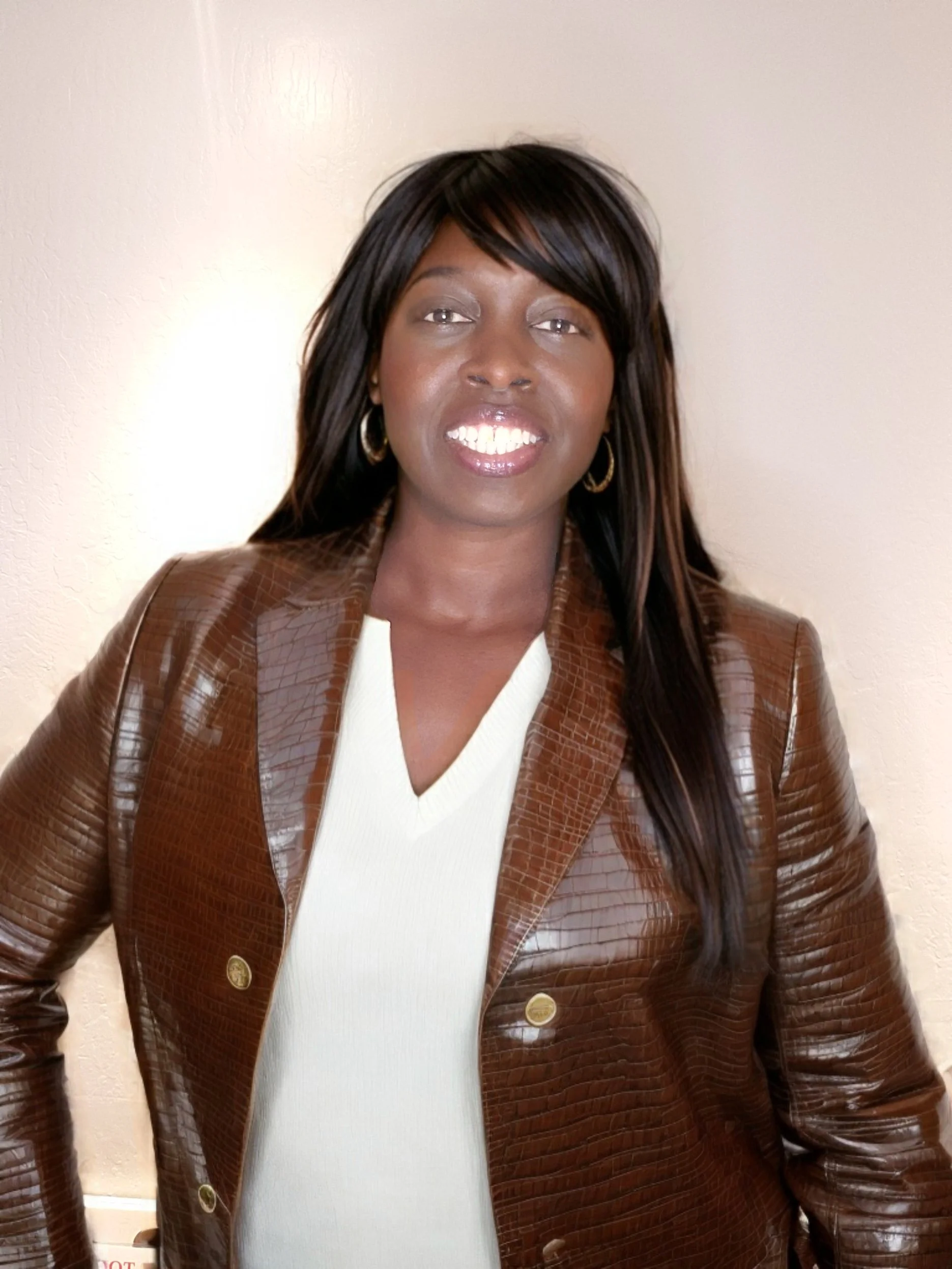
Dr. Vera Singleton, ND, MBA Founder, Potentia MedSpa, Lafayette, CA Voted Best Doctor of the East Bay Functional medicine and medical aesthetics under one roof, guided by one philosophy: one body, one doctor, simple answers.
Let’s test the whole system and find out what you get back.
Book a consultation. We’ll go through your history and your timeline, run comprehensive testing, and then sit down together and read it. You’ll leave understanding your own results and knowing what happens next, and what to expect along the way. You’re allowed to start wherever you want. I’ll meet you there.
Book Your FREE 20 Min Phone Consultation
Potentia MedSpa | 1043 Stuart St #210, Lafayette, CA 94549 | 510-230-2282