
Perimenopause Specialist: One Doctor for All of It

Something changed and nobody has explained it. Your sleep, your mood, your memory, your weight, your gut, your skin. Not one thing. All of it, over a couple of years.
Here’s what I want you to know. Those aren’t separate problems. Your brain, your sleep, your digestion, your anxiety, your aching joints, your hair, your skin, and your weight are all responding to the same hormonal shift, and treating them one at a time is why you’re exhausted and no better. I handle all of it, in one place, as one problem. Some women want hormone therapy, some want plant medicine, and some want both. All three work here, and which one you get depends on your testing and your preference rather than my opinion.
Three ways women get here
Almost everyone I see arrives having already tried something. Usually one of these three.
You’ve been figuring it out yourself
You’re in the Facebook groups and the Reddit threads at 11pm. You’ve listened to every podcast episode on the subject. You’ve assembled a supplement routine from what other women said worked for them, changed your diet twice, and bought a wearable.
You’ve learned a lot, and some of it has helped. But you’re managing a medical condition by crowdsourcing, and the advice contradicts itself, and you still don’t know what’s actually happening in your own body. What you’re missing isn’t information. It’s testing, and someone to sequence it.
You went to a doctor and left with nothing
You described everything. Someone ran a basic panel, told you it looked normal, and suggested you manage your stress and get more sleep, which is the thing you came in unable to do.
Nobody tested your thyroid properly, or your cortisol pattern, or your insulin. Nobody asked when it started or what came first. And you left feeling like you’d made a fuss over nothing, which is precisely the outcome that makes women stop asking.
Some of you kept going and ended up with four providers, one for your gut, one for your skin, one for your thyroid, one for everything else. Four intakes, four copays, nobody talking to each other, and not one of them saying the word perimenopause.
You were handed a prescription without an explanation
Birth control for the irregular cycles. An antidepressant for the anxiety and the mood swings.
I want to be careful here, because both of those are legitimate treatments and I’m not going to tell you your doctor was wrong to consider them. Hormonal contraception genuinely does stabilize erratic cycles in perimenopause, and antidepressants have real evidence behind them for hot flashes as well as for mood.
The problem isn’t the prescription. It’s the prescription without the deeper investigation.
If nobody tested your thyroid, your cortisol, your iron, or your full hormone picture first, then nobody knows whether that medication is treating the cause or covering the signal. Sometimes it turns out to be exactly right. Sometimes the anxiety was a thyroid problem, or the mood swings were progesterone, or the fatigue was ferritin at 14. You deserve to know which before you commit to years of something.
All three of you are welcome here, and all three get the same starting point: actual testing, read properly, explained to you out loud.
It’s one thing, not six
Here’s what I hear in my Lafayette office every week. See how many you recognize.
Your brain. Losing words mid-sentence. Rereading the same paragraph. Walking into a room and standing there. Keeping lists for things you used to just remember, and quietly wondering whether something is seriously wrong with you.
Your sleep. Awake at 3am. Wired at 11pm and useless at 7am. Waking drenched and changing your shirt. Sleeping badly for so long you’ve forgotten what rested feels like.
Your mood. Anxiety that arrived out of nowhere in your forties. Rage over nothing, followed by sitting in the car feeling like a bad person. Crying at things that don’t warrant it. Not recognizing your own reactions.
One thing I want to say directly here. If your mood symptoms are severe, if you’re struggling to function, or if you’re having thoughts of harming yourself, that deserves proper mental health support alongside anything hormonal we do. Hormones are frequently part of the picture in midlife. They aren’t always the whole of it, and I’d never want a hormone workup to delay support you need now.
Your digestion. Bloating that arrived and stayed. Digestion that changed and never changed back. Reacting to foods that were fine for forty years.
Your body. Joints that ache without a reason. Weight that won’t move no matter what you do. Strength gone. Recovery from a workout taking five days instead of one.
Your hair and skin. More hair in the drain, and a ponytail that’s a fraction of what it was. Skin that went crepey, thin, and dry, seemingly over one year.
And intimacy. Dryness, discomfort, and no interest, which almost nobody raises first.
If you recognized most of that list, you’re not dealing with six conditions. You’re dealing with one hormonal transition producing symptoms in every system it touches, because estrogen and progesterone don’t only affect your cycle. They affect your brain, your gut lining, your joints, your skin, your temperature regulation, and your stress response.
That’s why the specialist approach fails you here. Each one is looking at their organ and finding it more or less fine.
What changes when one person handles all of it
| What you’re living with now | What women commonly describe afterward |
|---|---|
| Awake at 3am, dragging all day | Sleeping through, and remembering what rested felt like |
| Losing words, rereading pages, keeping lists | Your brain back. This is the one women mention first |
| Anxiety and rage that don’t match the situation | Reactions in proportion to what caused them |
| Bloating and digestion that changed and stayed changed | Predictable, unremarkable digestion |
| Aching joints and endless recovery | Moving without cataloguing what hurts |
| Weight that won’t respond to anything | Your body responding to effort again |
| Hair in the drain, thinning ponytail | Shedding settling, then density returning over months |
| Crepey, dry skin that appeared over a year | Skin with substance to it again |
| Dryness and no interest in sex | Comfort, and wanting to rather than agreeing to |
| Managing it alone from forums and podcasts | One doctor, one plan, and someone who knows your whole story |
| Feeling like a worse version of yourself | Feeling like yourself, which is the one nearly everyone mentions |
The program: a structured way through it
Perimenopause isn’t a single appointment problem. It moves, sometimes over years, and what you need in month two isn’t what you’ll need in month eight. So I built a structured program around it rather than leaving you to book visits and hope.
What it includes:
Comprehensive testing, then a plan you understand. Everything gets tested, and then we sit down and go through your results together so you actually understand your own body.
Ongoing visits with me, spaced across the year, so we’re adjusting as your body moves through the transition rather than making one decision and hoping it holds.
Fitness coaching, included at no additional charge. Working with local coaches who build sessions for your body, in person or virtual. This isn’t a handout of exercises. Muscle and strength are among the first things to go in this transition and among the most protective things to hold onto, so this is built in rather than suggested.
Nutrition coaching, included at no additional charge. What you eat changes what your hormones do, and generic advice for a thirty-year-old body doesn’t apply to yours anymore. This is practical and specific to your results.
Quick check-ins with me between visits, because questions come up and you shouldn’t have to wait six weeks or book an appointment to ask one.
Group education sessions, where I teach on the themes that come up most, including hormones, digestion, weight, and healthy aging, with time for questions. There’s also something worth saying about being in a room with other women going through exactly this. It’s the part people expect least and mention most.
Why a program rather than appointments. Because the results come from sequencing and adjustment, not from a single visit. Testing tells us where to start, the plan changes as your body responds, and the fitness and nutrition work is what makes the clinical work hold. Doing those pieces separately, months apart, from different people, is precisely the fragmentation that got you here.
We’ll talk through what fits you at your consultation. Not everyone needs the full structure, and some women do better starting with a single visit and testing.
Three paths, and you choose
This is where I differ most from both sides of this argument.
There’s a camp insisting every woman should be on hormone therapy, and a camp insisting hormones are dangerous and you should manage naturally. Both are selling you a position rather than looking at your body.
Hormone therapy is a good solution. It is not the only solution, and it isn’t right for everyone.
If hormone therapy is right for you
I prescribe it, mostly topically, and I monitor you rather than writing a prescription and disappearing. Your dose comes from your labs and your symptoms, not from a standard algorithm, and I recheck as we go.
I also take the long-term risk conversation seriously, which means your history, your risk profile, the route of delivery, and the fact that if you have a uterus you need progesterone alongside estrogen. That isn’t a preference, it’s endometrial protection.
If you’d rather use plant medicine
Plenty of women want a botanical approach, whether because they can’t take hormones, they’ve had a hormone-sensitive cancer, or they simply prefer it. That’s a completely legitimate choice and it’s a significant part of my practice.
Botanical medicine has real depth here for hot flashes, night sweats, sleep, anxiety, and mood, and it’s what fifteen years of naturopathic practice actually trained me in. This isn’t the consolation prize I hand people who say no to hormones.
And I’d measure it the same way I measure anything. If you’re sleeping through the night instead of waking drenched at 2am, that’s a clinical win by any standard.
If you want both
Most of my patients end up here. Hormone therapy for what it does best, botanical and nutritional support for the rest, and adjustments as your body moves through the transition rather than one decision made once.
What I won’t do is tell you which camp you belong in before I’ve looked at your labs.
Perimenopause supplements: why the kitchen sink doesn’t work
Let me talk about supplements directly, because you probably have a cabinet full of them.
Here’s how it usually happens. You read something, so you buy magnesium. A friend recommends ashwagandha. A podcast mentions maca. An ad convinces you about a menopause blend. Six months later you’re taking fourteen things, spending real money, and you couldn’t say which one is doing anything.
That approach fails for three reasons.
You can’t tell what’s working. Fourteen variables introduced at once and no way to isolate any of them. If something helped, you don’t know which. If something is making you worse, you don’t know that either.
Most of them are below a dose that does anything. Blends in particular tend to contain small amounts of many ingredients, which markets well and rarely produces a physiologic effect.
And they can work against each other. Some botanicals affect hormone pathways directly. Stacking several without knowing your levels can push you somewhere you didn’t intend.
What I do instead. I test first, so we know what’s actually low and what’s actually shifted. Then I choose a small number of things at doses meant to produce a physiologic change, aimed at the specific mechanism driving your worst symptom. Then we assess whether it worked, and adjust.
Fewer things, chosen deliberately, at doses that matter. Most women leave with a shorter list than they arrived with, and spend less.
It isn’t only estrogen
This is the clinical part most perimenopause care misses, and it’s the reason some women don’t respond to hormone therapy the way they expected.
Estrogen and progesterone get all the attention, and they matter. But four other hormones govern how you feel day to day, and they shift during this transition too.
| Hormone | What it’s doing to you | What happens if it’s missed |
|---|---|---|
| Cortisol | Wired at night, flattened in the morning, no stress tolerance, belly weight, poor recovery | You can be on the right estrogen dose and still feel terrible, because your stress axis is driving the symptoms |
| Insulin | Carb cravings, afternoon crashes, hunger two hours after eating, weight at the middle | Weight won’t move regardless of hormone therapy, and inflammation stays high |
| Thyroid | Cold, exhausted, constipated, hair shedding, foggy | The symptoms get attributed to perimenopause and the thyroid never gets properly tested |
| Testosterone | No drive, lost strength, flat motivation, muscle that won’t build | Energy and libido don’t improve, and you assume hormone therapy failed |
These hormones talk to each other. Cortisol affects thyroid conversion. Insulin affects sex hormones. Estrogen affects cortisol sensitivity. Treating one while ignoring the others is the most common reason a woman ends up on an escalating dose of something and feeling worse.
So I test all of it, and I read the results against each other rather than one line at a time. Three of these have their own page: read more about thyroid testing, read more about adrenal and cortisol testing, and read more about testosterone replacement.
How we start
We talk, properly. Your full history and your timeline, which matters more than any single lab value, because when things started tells me a great deal.
We test comprehensively. Full thyroid, cortisol across a day, estrogen, progesterone, testosterone, DHEA, insulin and blood sugar, and nutrient cofactors like ferritin and vitamin D. If you have labs from another provider within the past three to six months, bring them and I’ll read them.
I explain your results out loud, with you. Not a portal notification. You’ll understand your own numbers when you leave.
We build the plan you actually want. Hormones, botanicals, or both, plus targeted nutrients, dietary changes based on your results, and whatever the specific systems need.
We adjust. Perimenopause is a moving target, sometimes over years. Your plan should move with it, and I recheck rather than setting it once.
And everything else lives here too. Your skin, your hair, your gut, your weight, your sexual health. Same doctor, same visit. Nobody is getting referred out to explain to a stranger what’s been happening to them.
Perimenopause doctor near me: why women in the East Bay come here
One doctor for all of it. Your brain, sleep, mood, gut, joints, hair, skin, weight, and intimacy, treated as the single connected problem it is.
I test all the hormones, not just estrogen, because cortisol, insulin, thyroid, and testosterone determine whether anything else works.
Three real paths. Hormone therapy, plant medicine, or both, chosen by your labs and your preference rather than my position.
A structured program, with fitness and nutrition coaching included, because the clinical work holds better when those are part of it.
Fifteen years of doing exactly this, independently, before it was a trend.
Supplements chosen deliberately, at doses that produce a change, rather than a cabinet full of things you can’t evaluate.
I prescribe hormone therapy and monitor it, including the long-term risk conversation and appropriate protection.
Your history stays in one place, told once, to someone who remembers it.
An award winning doctor with fifteen years of practice in the East Bay. I’ve been voted Best Doctor of the East Bay, and I have page after page of five star reviews that show how hard I work for my patients.
I’m in Lafayette, CA, easy to reach from Walnut Creek, Orinda, Moraga, Danville, Alamo, Pleasant Hill, and the broader East Bay.
-
Perimenopause typically begins in your forties and can start earlier, and your periods may still be regular. Look at the pattern rather than any single symptom: sleep changing, anxiety or irritability arriving without cause, brain fog, weight redistributing, joints aching, hair thinning, skin changing, and digestion shifting, several at once and on the same timeline. Testing confirms it, and hormone levels swing during this stage, which is why the whole picture matters more than one lab value.
-
Not necessarily. Both are legitimate treatments, and hormonal contraception genuinely stabilizes erratic cycles while antidepressants have real evidence for mood and for hot flashes. The question is whether anyone tested first. If your thyroid, cortisol, iron, and full hormone picture were never checked, nobody knows whether the medication is treating the cause or covering the signal. I’d want to find out before you commit to years of it.
-
No. Hormone therapy is one path and a good one for many women, but plant medicine, nutritional, and metabolic approaches are a real path too, particularly if you can’t take hormones or would rather not. A meaningful part of my practice is exactly that. What I won’t do is decide which camp you belong in before looking at your labs.
-
That depends entirely on your testing, which is an unsatisfying answer and the only honest one. What I’d steer you away from is the kitchen sink approach, since fourteen products at once means you can’t tell what’s working, many are dosed too low to do anything, and some interact. I test first, then choose a small number of things at doses meant to produce an actual physiologic shift.
-
That usually means the wrong tests were run, or they were read one at a time. Hormone levels also fluctuate significantly during perimenopause, so a single snapshot can look fine while you feel awful. I run the full picture, including thyroid, cortisol, insulin, and nutrient status alongside sex hormones, and I read them against each other, which is where the explanation typically turns up.
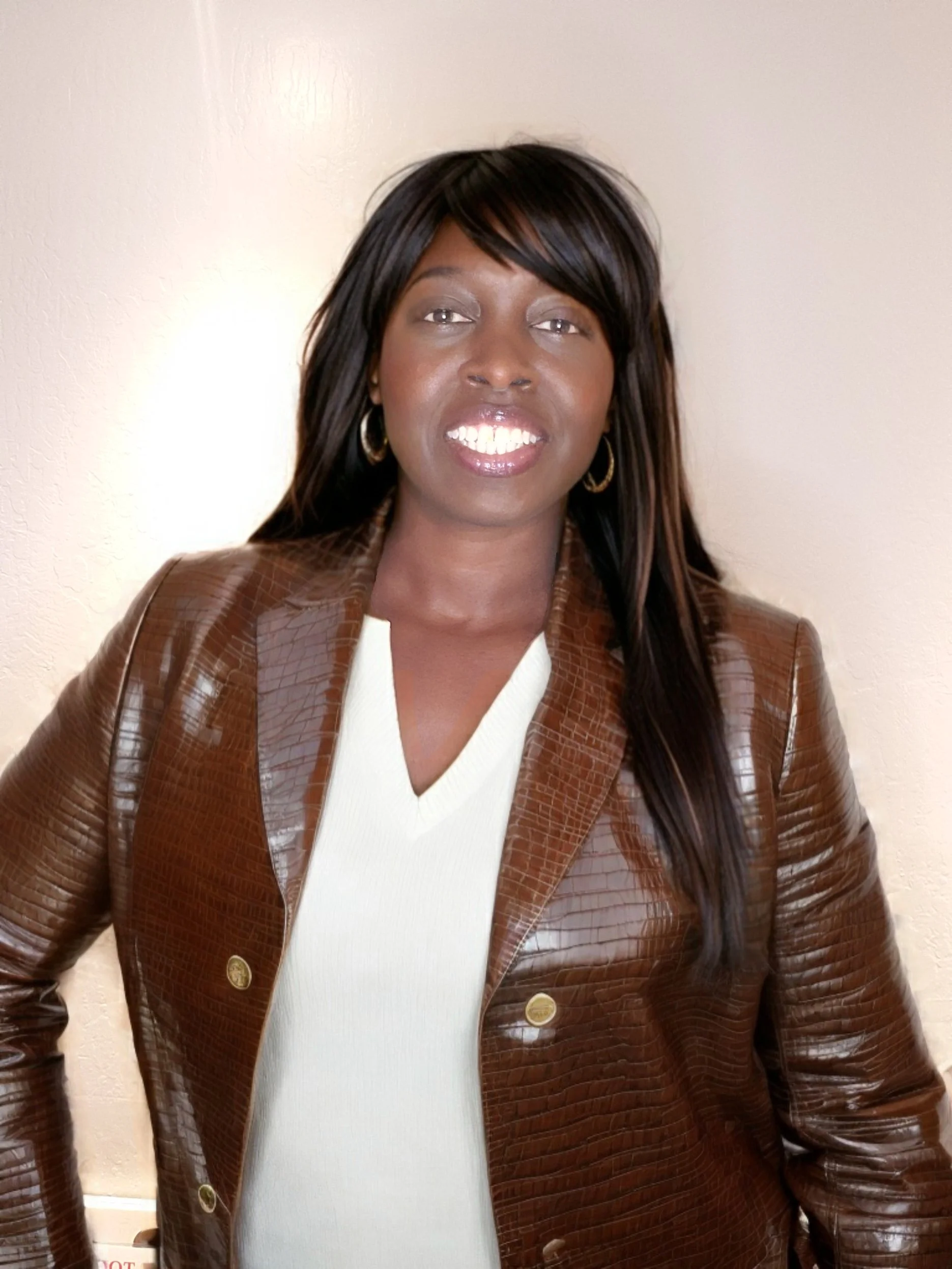
Dr. Vera Singleton, ND, MBA Founder, Potentia MedSpa, Lafayette, CA Voted Best Doctor of the East Bay Functional medicine and medical aesthetics under one roof, guided by one philosophy: one body, one doctor, simple answers.
Let’s put the whole picture in one place.
Book a consultation. Tell your story once, to someone who’s been treating exactly this for fifteen years. We’ll test comprehensively, sit down together and read the results, and build the plan you actually want. You’re allowed to start wherever you want. I’ll meet you there.
Book Your FREE 20 Min Phone Consultation
Potentia MedSpa | 1043 Stuart St #210, Lafayette, CA 94549 | 510-230-2282