
Mesotherapy: Skin Boosters, No Healing Time

Your skin looks flat. It doesn’t catch light the way it used to, makeup sits on top of it rather than settling in, and by the afternoon it looks tired regardless of how you slept.
You have good products. You’re using them properly. And the skin still isn’t doing what you want.
Here’s what I want you to know. There’s a layer of your skin that determines how it looks day to day, and almost nothing you apply topically can reach it. It’s called the extracellular matrix, and it’s the environment your skin cells live in: hydration, structure, and the framework that makes skin reflect light rather than absorb it. Mesotherapy delivers skin boosters directly into it through micro-infusions. No numbing, no needles you’d notice, and no healing time at all. It’s what I use to build skin quality between bigger treatments, and it’s what I’d book before something that matters.
What actually changes
| What you’re living with now | What clients commonly describe afterward |
|---|---|
| Flat skin that doesn’t reflect light | Skin that catches light, with the smooth quality people call glass skin |
| Makeup sitting on top rather than settling | Foundation going on evenly and staying put |
| Dehydrated skin that products don’t fix | Hydrated at a depth a topical can’t reach |
| Dullness and uneven tone | Brighter and more even |
| Skin that looks tired by the afternoon | Holding up through the day |
| Loss of bounce and firmness | Improved elasticity |
| Blackheads, congestion, and visible pores | Refined |
| Nothing you can do before an event on short notice | A treatment you can have days before and look better for it |
Individual results vary, and this works cumulatively. One treatment helps. A series changes skin quality.
The layer nobody talks about
Your skin cells don’t sit on their own. They live inside a matrix of collagen, elastin, hyaluronic acid, peptides, and structural proteins that surrounds and supports them. That’s the extracellular matrix, and it is the single most overlooked part of how skin actually looks.
When it’s healthy, it holds water, cushions and supports the cells, and gives skin the density that makes light bounce off it rather than sink in. That’s what you’re seeing when skin looks luminous and firm.
When it degrades, and it does with age, UV exposure, inflammation, and hormonal change, skin holds less water, loses structure, and starts to look flat and tired even when nothing else is wrong.
Here’s the problem with treating it topically. Your skin barrier is specifically designed to keep things out, and it’s very good at it. Most of what you apply works on the surface layers. Molecules large enough to matter structurally, hyaluronic acid included, largely can’t get through in meaningful amounts.
So you can have an excellent routine and a matrix that’s still depleted, which is exactly the situation most women are in when they tell me their products aren’t working anymore.
Mesotherapy bypasses the barrier. Micro-infusions place the actives directly into the layer where they do their work. Not on it. In it.
How this differs from microneedling
They look similar and they do different things, and the difference is depth.
Microneedling goes deeper, into the dermis. Its purpose is structural: controlled injury that provokes collagen remodeling to address texture, pitting, and scarring. It requires numbing, and it comes with a few days of recovery.
Mesotherapy stays superficial, in the layers where the extracellular matrix lives. Its purpose isn’t injury, it’s delivery. Tiny micro-infusions of boosters placed exactly where they need to be, with no numbing needed and no recovery at all.
Different goals. Microneedling changes structure. Mesotherapy changes quality: hydration, light reflection, elasticity, and how your skin behaves day to day.
Most people who do both use microneedling for the structural work and mesotherapy in between to keep the skin quality up while the deeper remodeling happens.
What goes in is chosen for you
The infusion is the treatment, so what’s in it matters more than the device.
Depending on what your skin analysis shows and what you’re trying to achieve:
Hyaluronic acid, for hydration at a depth a topical can’t reach
Peptides, including elasticity-supporting and collagen-signaling peptides
Copper peptides, for repair and structural support
B12 and nutrient support
Glutathione and antioxidants, for oxidative stress and brightness
PDRN, the salmon-derived polynucleotide, for cellular repair
Exosomes, for signaling and skin quality
Your own PRF, when we want the most regenerative version
Targeted brighteners, for pigment and uneven tone
This is not a fixed formula. Two people having mesotherapy on the same day should be getting different infusions, and if they aren’t, the customization is decorative.
The treatment I’d book before something that matters
Because there’s no recovery at all, this is the one that works on a deadline.
A wedding, a reunion, a photograph, a birthday, a first date, a presentation you care about. Most treatments worth having need a week you don’t have. This one doesn’t need any.
You’ll see something immediately, and it continues improving over the following days as the actives work. Skin looks hydrated and denser, light reflects differently, and makeup goes on better.
Book it a few days ahead and tell me the date at your consultation, so I can choose the infusion and the timing accordingly.
The maintenance layer between bigger treatments
This is how I use it most, and it’s the job it does best.
Plasma treatments and Natur-Tox produce real correction, and they need healing time, so they happen once or twice a year. In between, your skin is either being maintained or it’s drifting.
Mesotherapy is what maintains it. Hydration, elasticity, and skin quality kept up in the months between, with no recovery cost and nothing that interferes with your schedule. It also improves the terrain your skin is working from, which means it responds better when the next intensive treatment comes.
What to expect
Before. A skin analysis, so the infusion is chosen from your hydration, sebum, elasticity, and tone measurements rather than from a default.
The appointment. About thirty minutes. No numbing needed, which surprises people. Comfort is around a one out of ten.
Afterward. No healing time. You may have slight redness for a short while. Makeup, work, plans, all fine.
Cadence. Four to eight sessions a year, spaced according to what we’re working on. This builds cumulatively.
Who it suits. Dry, dull, dehydrated, or inflamed skin. Sun-stressed skin in summer. Anyone preparing for an event. Anyone in between more intensive treatments. And it’s suitable from age eighteen onward, regardless of skin type.
Safe for all skin types, Fitzpatrick I through VI, with each case monitored individually.
Mesotherapy near me: why women in the East Bay come here
It reaches the layer your products can’t. Micro-infusion places actives into the extracellular matrix rather than on top of the barrier.
No numbing, no healing time, and back to your day in half an hour.
The infusion is built from your skin analysis, not from a fixed formula.
The treatment that works on a deadline, for anything that matters and is coming up soon.
It keeps your results going between the treatments that do need recovery.
Safe on every skin tone, Fitzpatrick I through VI.
Measured, not guessed, with hydration and elasticity tracked before and after.
An award winning doctor with fifteen years of practice in the East Bay. I’ve been voted Best Doctor of the East Bay, and I have page after page of five star reviews that show how hard I work for my patients.
I’m in Lafayette, CA, easy to reach from Walnut Creek, Orinda, Moraga, Danville, Alamo, Pleasant Hill, Berkeley, Oakland, and the broader East Bay.
Frequently asked questions
-
It’s micro-infusion of skin boosters directly into the superficial layers of the skin, where the extracellular matrix lives. That matrix determines hydration, structure, and how your skin reflects light, and most topical products can’t reach it because your skin barrier is designed to keep things out. It takes about thirty minutes, needs no numbing, and has no healing time.
-
Depth and purpose. Microneedling goes into the dermis and works by controlled injury to remodel collagen, which is what texture and scarring need. It requires numbing and a few days of recovery. Mesotherapy stays superficial and works by delivery rather than injury, so it changes skin quality, hydration, and light reflection with no numbing and no recovery.
-
That’s one of the main reasons to book it. There’s no healing time, so a few days before something that matters is a reasonable plan. You’ll see a difference immediately and it continues improving over the following days. Tell me the date and I’ll choose the infusion and timing accordingly.
-
Four to eight a year for most people, spaced according to what we’re working on. It builds cumulatively, so one treatment gives you hydrated, better-reflecting skin for a while, and a series changes how your skin behaves. Many people use it as maintenance between more intensive treatments rather than as a course on its own.
-
Very little. Around a one out of ten, and no numbing is needed, which surprises people who’ve had microneedling. The infusions are superficial and the treatment takes about thirty minutes.
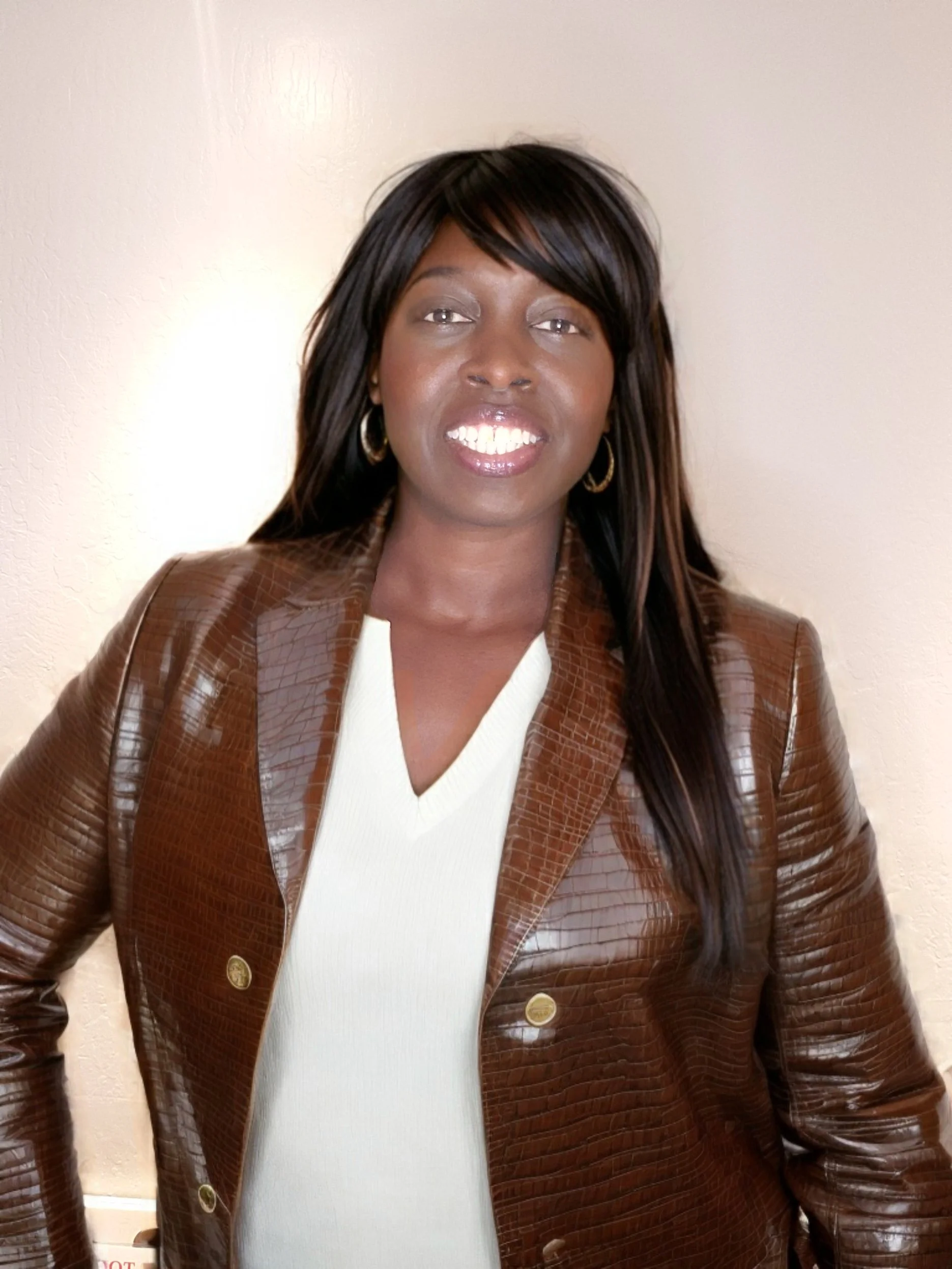
Dr. Vera Singleton, ND, MBA Founder, Potentia MedSpa, Lafayette, CA Voted Best Doctor of the East Bay Functional medicine and medical aesthetics under one roof, guided by one philosophy: one body, one doctor, simple answers.
Let’s see what your skin is actually short of.
Book a consultation and we’ll start with a skin analysis. I’ll show you your hydration and elasticity measurements, choose the infusion from those rather than from a default, and tell you honestly whether this is the right treatment or whether something else should come first. You’re allowed to start wherever you want. I’ll meet you there.