
Microneedling in Lafayette, CA: For Texture and Scarring
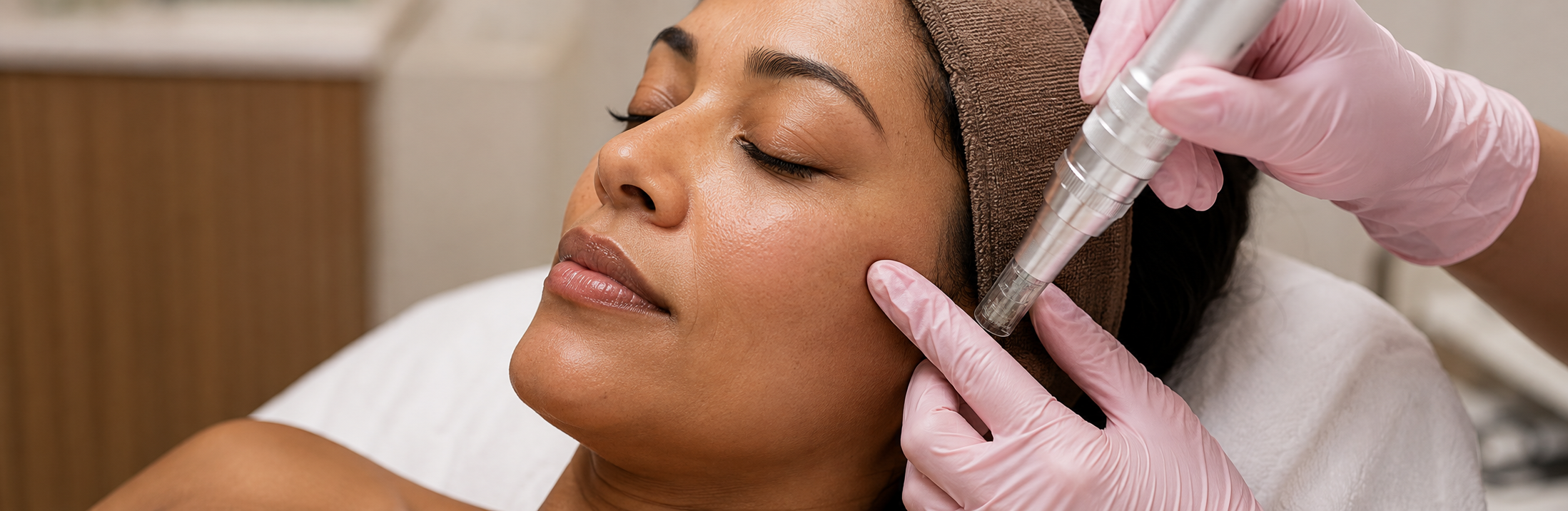
Your skin isn’t smooth anymore. Pitted where acne used to be. Rough across the cheeks in a way makeup sits badly on. Pores that got larger and stayed. A scar from something years ago that still catches the light.
You’ve read that microneedling helps. What nobody explains is that most of the result has less to do with the needles than with what goes in after them.
Here’s what I want you to know. Microneedling is my first choice for texture and scarring, and I’ll say plainly that it’s a better tool for that than my plasma treatments are. It creates controlled micro-channels that trigger your own collagen production, and it opens a window where actives can reach a depth no topical ever will. I use an FDA cleared device, and I pair it with PDRN or your own platelet-rich fibrin, because the channels are a delivery opportunity that closes within hours and using them properly is most of the difference. It’s also one of the easiest treatments to start with if you’ve never had anything done.
What actually changes
| What you’re living with now | What clients commonly describe afterward |
|---|---|
| Pitted, uneven skin where acne used to be | Smoother, with the depressions softened across a series |
| Rough texture that makeup sits badly on | Refined, so foundation goes on evenly |
| Pores that enlarged and stayed | Noticeably tighter |
| A scar that still catches the light | Blended and less visible |
| Fine lines and skin that’s lost density | Thicker, firmer skin with better tone |
| Dull skin with poor light reflection | Brighter and more even |
| Products that sit on top and don’t seem to do anything | Actives actually reaching the depth where they work |
| Never having done anything and not knowing where to start | An easy, low-risk place to begin |
Individual results vary, and this works cumulatively. One session helps. A series is where scarring and texture genuinely change.
Texture and scarring are what this does best
I want to be direct about where this treatment sits among my options, because being honest about it is more useful to you than selling it.
For lifting and tightening, plasma is stronger. If your concern is jowls, a softening jawline, or laxity, my plasma treatments do more per session and I’ll tell you that rather than selling you a series of the wrong thing. See all plasma treatments.
And for a stronger version of this treatment, using your own concentrated growth factors rather than a booster, read more about PRF microneedling. Read more about mesotherapy if you want skin quality work with no recovery at all, and read more about chemical peels, which pair well with this in a series.
For texture and scarring, microneedling is the better tool, and it’s what I reach for first.
Here’s why. Scarring and pitting are architectural problems in the dermis. The tissue healed in a disorganized way and sits lower than the skin around it. What changes that is controlled injury delivered directly into that tissue, provoking a rebuilding response that lays down new collagen in a more organized pattern.
Needles do that with precision and at a depth that can be adjusted to the scar. That mechanical accuracy is exactly what pitted and depressed scarring needs, and it’s why microneedling remains the standard for it.
The needles open the door. What goes in matters more.
This is the part almost nobody explains, and it’s the difference between a mediocre microneedling result and a very good one.
Those micro-channels stay open for a short window, a few hours at most, and during that window your skin will absorb what’s applied to it at a depth no topical can otherwise reach. Then they close.
What you put in that window is most of the result.
PDRN, a polynucleotide derived from purified salmon DNA, supports cellular repair and collagen production and calms the inflammation from the treatment itself. It’s my most common pairing, and it noticeably shortens how long you’re red.
PRF, made from your own blood, is the more regenerative option. We draw a small amount, concentrate the platelets and fibrin, and deliver those growth factors into the channels. Nothing synthetic, and the growth factors release gradually over about a week rather than all at once.
Exosomes, peptides, and targeted skin boosters depending on what your analysis shows.
Microneedling with nothing delivered into it is still a real treatment. It’s just a fraction of what the same appointment could have produced.
The device matters too
I use devices cleared by the FDA for microneedling.
That’s worth knowing because this category has a wide quality range. There are rollers sold online for twenty dollars, and there are pens used in non-medical settings with inconsistent depth control and questionable sterility. Needle depth, penetration consistency, and a properly sealed single-use cartridge are the difference between controlled injury and unpredictable damage.
If you’ve had microneedling somewhere and it didn’t do much, or it did more than it should have, the device and the depth control are usually why.
An easy place to start
If you’ve never had a skin treatment, this is a good first one and it’s the one I recommend most often to people who are nervous.
It’s familiar. Most people have heard of it, which matters more than it should when you’re trying something for the first time.
The recovery is short and predictable. Two to four days, with redness like a mild sunburn that settles.
It’s low risk in experienced hands, and nothing is being added to your face permanently.
And it tells us something. How your skin responds to a first series tells me a great deal about what it will do with more intensive treatment later, which makes it a useful starting point rather than just a gentle one.
Plenty of women start here and stay here, because for texture this is the right treatment rather than a stepping stone.
The treatments that pair with it
Microneedling works well in a rotation with the other treatments that require little or no recovery, because they address different things and the effects compound.
Chemical peels work on the surface: pigment, congestion, tone, and turnover. Microneedling works underneath, on structure. Alternating them addresses both layers, and both are gentle enough to combine in a plan.
The Rockstar Facial is non-ablative plasma, tightening and brightening with no healing time. Where microneedling handles your texture, this handles firmness, so together they cover more than either does alone.
Both are introductory-friendly, which makes this a comfortable set of treatments to build a first plan from.
What to expect
Before. A skin analysis, so I can see your texture, pore, and hydration measurements and choose the depth and the boosters from data rather than habit.
The appointment. About an hour, or ninety minutes with PRF, since we draw and process your blood first. Topical numbing is used.
Comfort. Around a two out of ten with numbing. Most people describe it as tolerable and unremarkable.
The healing. Two to four days. Expect redness like a mild sunburn, some tightness, and light flaking as the surface renews. Makeup is usually fine after the first day.
Sessions. Four to six, spaced every four to six weeks. Scarring in particular needs a series, and results build for months after the last one.
Over the following weeks and months. Collagen production continues well past the surface healing, which is why your result at three months is better than at three weeks.
Safe for all skin types, Fitzpatrick I through VI. Microneedling doesn’t target pigment, though post-inflammatory hyperpigmentation is a consideration in deeper skin, so I monitor each case individually and use pretreatment where there’s a history of it.
Microneedling near me: why women in the East Bay come here
A clean recommendation. For texture and scarring this is the right tool, and I’ll tell you when something else is better.
What goes into the channels is chosen from your data, PDRN, PRF, exosomes, or peptides, rather than whatever is on the shelf.
SkinPen, FDA cleared, with proper depth control and sealed single-use cartridges.
An easy first treatment if you’ve never had anything done.
Safe on every skin tone, Fitzpatrick I through VI, with individual monitoring.
The skin analysis drives the depth and the boosters, and I rescan so you can see whether your texture measurements actually moved.
An award winning doctor with fifteen years of practice in the East Bay. I’ve been voted Best Doctor of the East Bay, and I have page after page of five star reviews that show how hard I work for my patients.
I’m in Lafayette, CA, easy to reach from Walnut Creek, Orinda, Moraga, Danville, Alamo, Pleasant Hill, and the broader East Bay.
Frequently asked questions
-
It’s the treatment I use most for them. Pitted and depressed scars are structural problems in the dermis, and controlled micro-injury delivered to the right depth provokes a rebuilding response that lays down collagen more evenly. It takes a series, usually four to six sessions, and results continue developing for months afterward. Deeper ice pick scars respond less than rolling or boxcar scarring, and I’ll be honest with you about which you have.
-
Depends entirely on what’s bothering you. For texture, pitting, and scarring, microneedling is the better tool and it’s what I’d recommend. For lifting, tightening, and laxity, plasma does more per session. Plenty of people end up doing both across a plan, sequenced by what needs addressing first.
-
Something, and that’s the important part. The channels stay open for a few hours and absorb at a depth no topical otherwise reaches, so what goes in during that window is most of the result. I use PDRN most often, PRF from your own blood when we want maximum regeneration, and exosomes or peptides depending on your analysis. Microneedling with nothing delivered is a fraction of the same appointment.
-
Two to four days. Expect redness like a mild sunburn, some tightness, and light flaking as the surface renews. Most people are comfortable wearing makeup after the first day. It’s one of the easier recoveries on my menu, which is part of why it’s a good first treatment.
-
Four to six, every four to six weeks, for texture and scarring. This works cumulatively rather than dramatically, and the collagen response continues for months after your last session. Your skin analysis gives us a baseline and I rescan so we can see whether your texture and pore measurements actually moved rather than guessing.
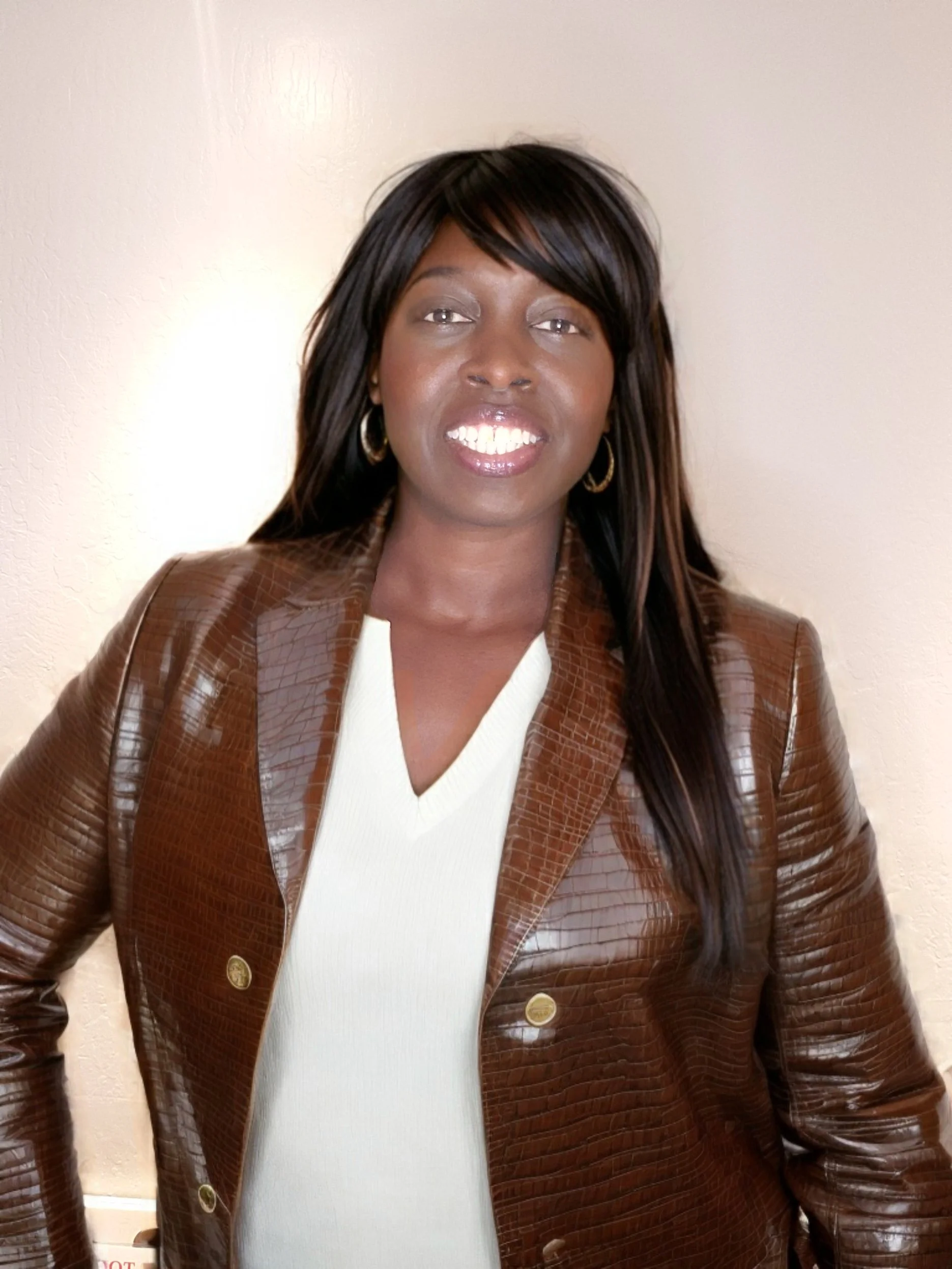
Dr. Vera Singleton, ND, MBA Founder, Potentia MedSpa, Lafayette, CA Voted Best Doctor of the East Bay Functional medicine and medical aesthetics under one roof, guided by one philosophy: one body, one doctor, simple answers.
Let’s see whether texture is actually your problem.
Book a consultation and we’ll start with a skin analysis. I’ll show you your texture and pore measurements, tell you whether microneedling is the right tool for what’s bothering you, and choose the depth and boosters from your data. You’re allowed to start wherever you want. I’ll meet you there.
Book Your FREE 20 Min Phone Consultation
Potentia MedSpa | 1043 Stuart St #210, Lafayette, CA 94549 | 510-230-2282